Furnishing the living room and bedroom with mirrors
Mirror, mirror on the wall, who is the fairest of them all? Mirrors are much more than just handy accessories for checking your look before going out: in contemporary interior design they are used to add light, create depth and elevate the decor. If chosen and positioned with care, they can become a focal point that elevates both the living room and the bedroom.
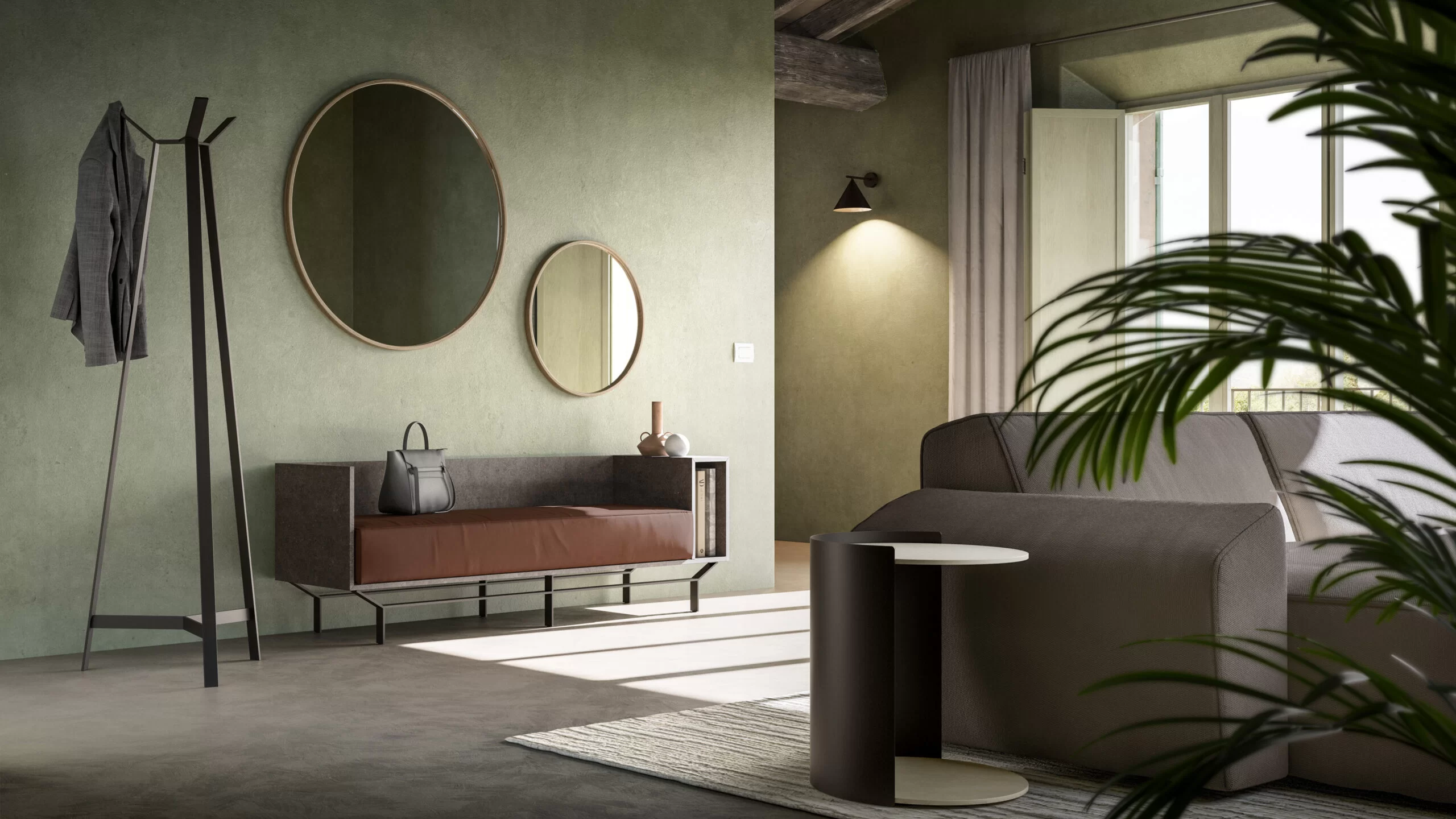
In this article we take a look at how to furnish the living room and bedroom with Santalucia Mobili mirrors, exploring shapes, locations and practical solutions to improve every space.
3 advantages of furnishing with mirrors
Mirrors are one of the most effective accessories at transforming the perception of a space: thanks to their ability to reflect light and volumes, they can make rooms brighter and more spacious.
#1 One of the biggest benefits is their ability to multiply natural and artificial light. Placing a mirror near a window or close to a light source makes it possible to diffuse the light in a uniform way and make the room feel bigger.
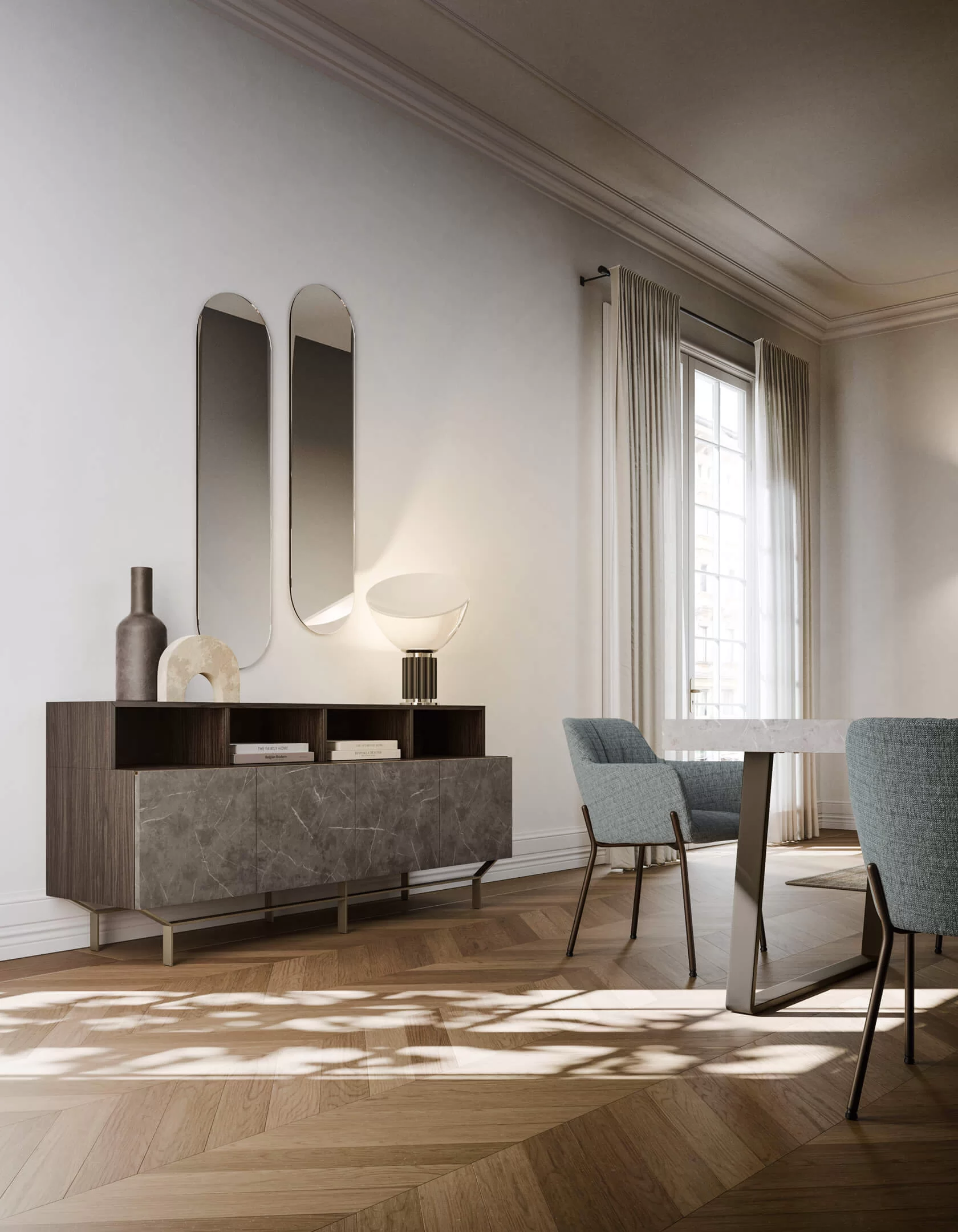
#2 Another advantage is the visual expansion of spaces. In smaller settings or rooms with limited floor area, a cleverly located mirror adds a sense of depth to the space, making it feel larger. This strategy is particularly useful in entrances or narrow corridors.
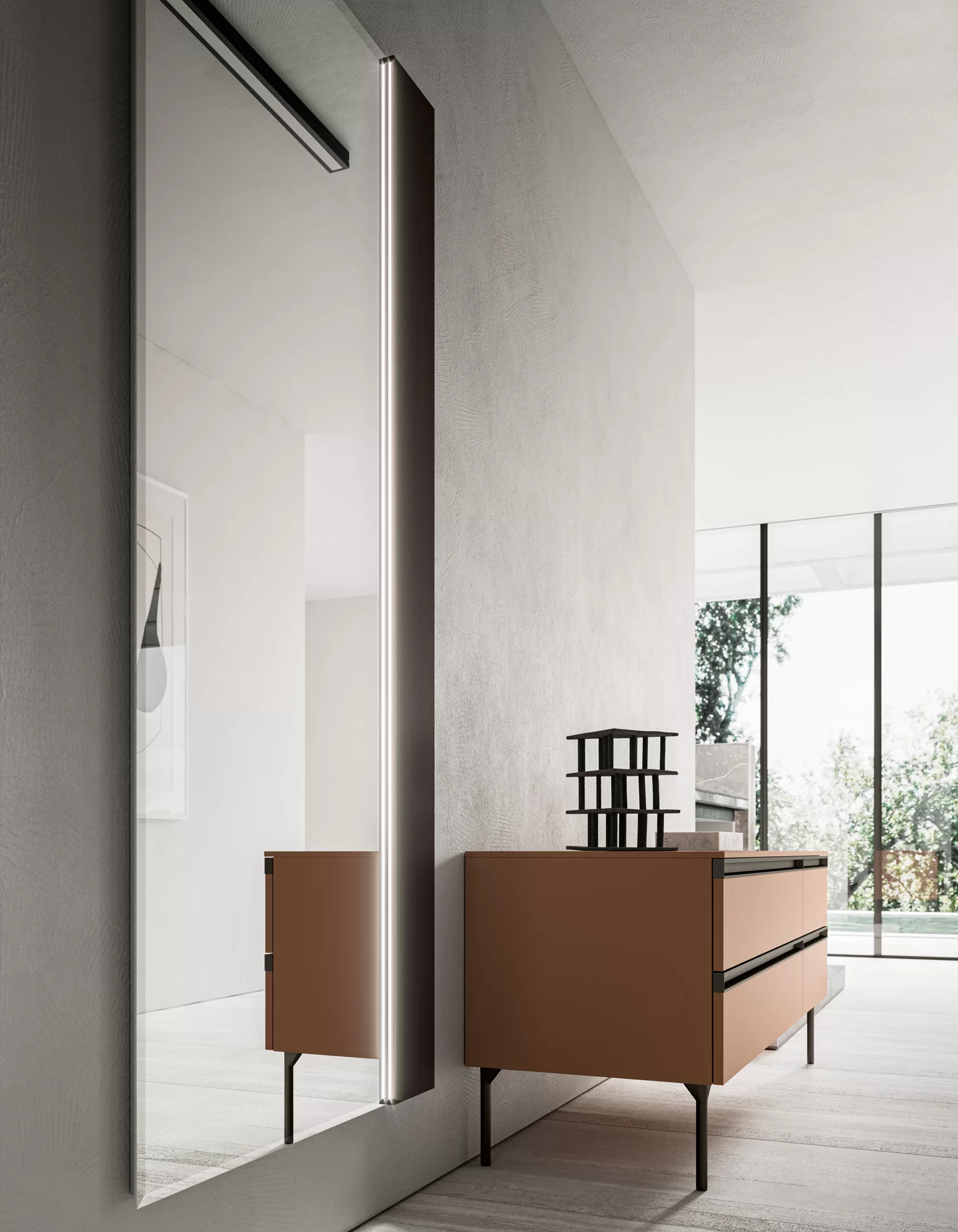
#3 Finally, mirrors can be used to enhance the items of furniture they reflect. A wall unit, bookcase or dining table can acquire greater presence when it is reflected in a mirror because of the interesting visual effect this creates.
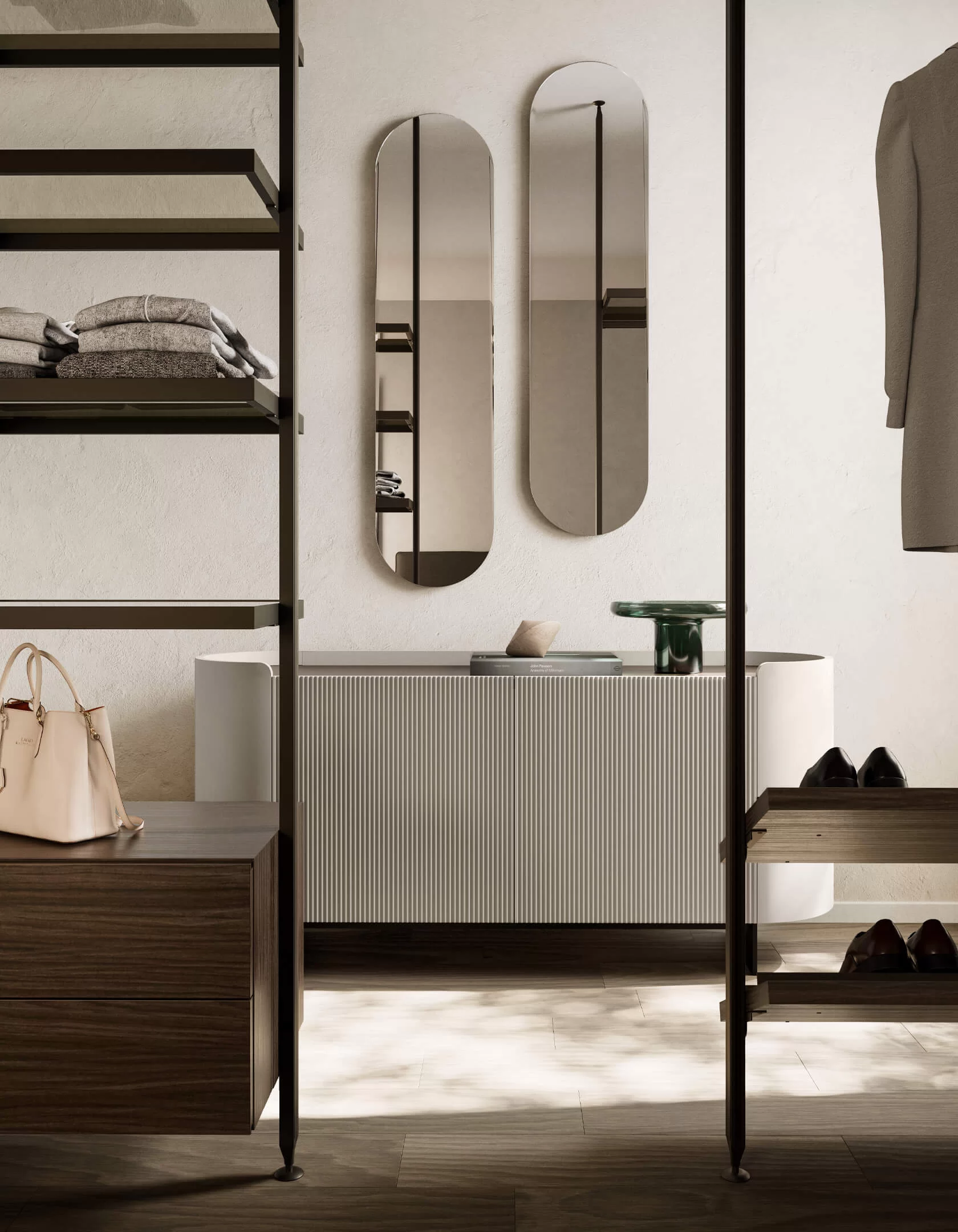
Shapes, frames and styles: how to make the right choice
As well as identifying the ideal size, choosing the right mirror is also about picking out the best shape and frame, details that help to define the style of the space.
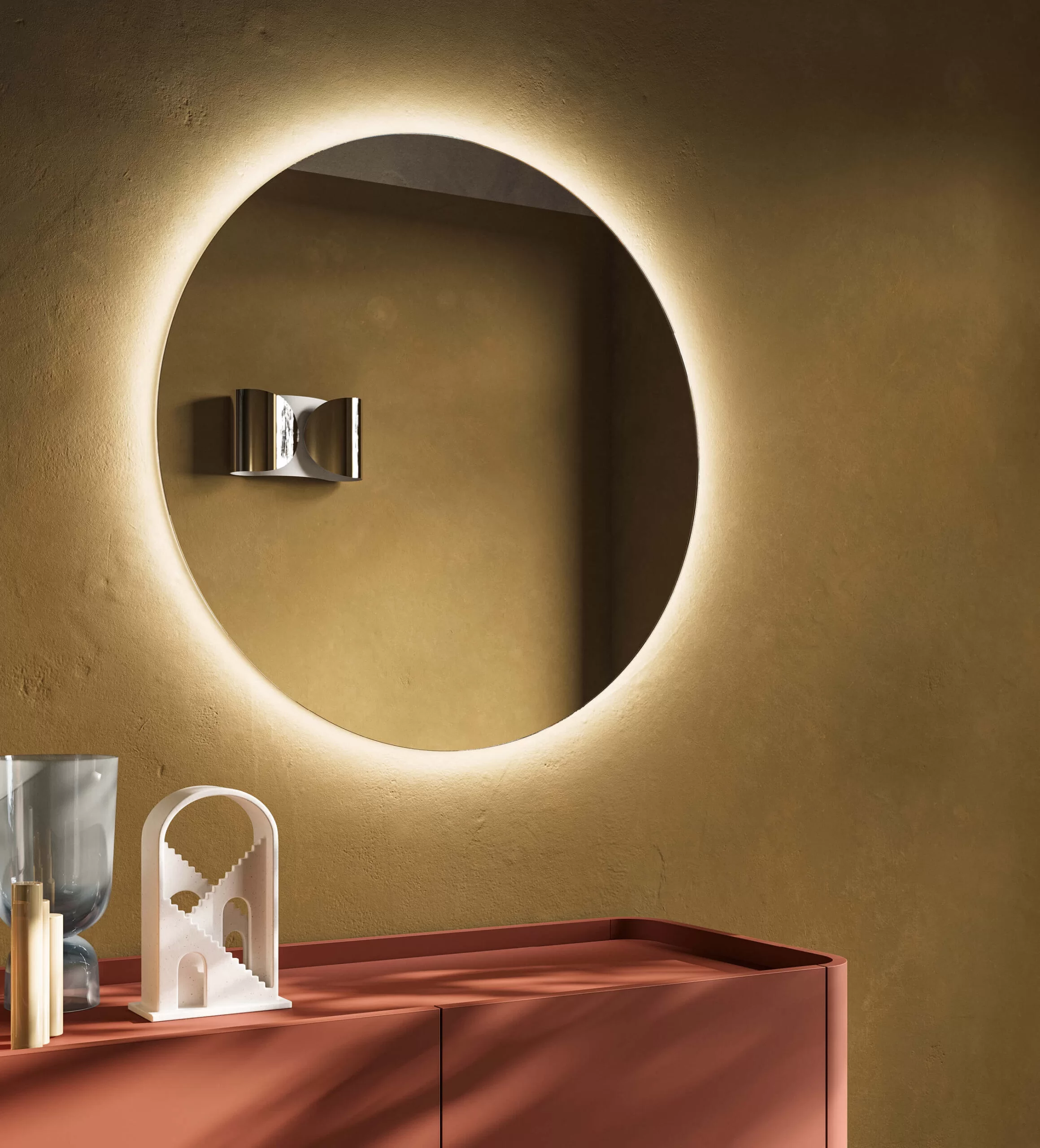
Round mirrors are particularly popular in contemporary interiors because they soften the more austere profiles of modern furniture. Hung above a sideboard, console unit or dresser, they add a formal variation that breaks up the linearity and makes the wall more dynamic.
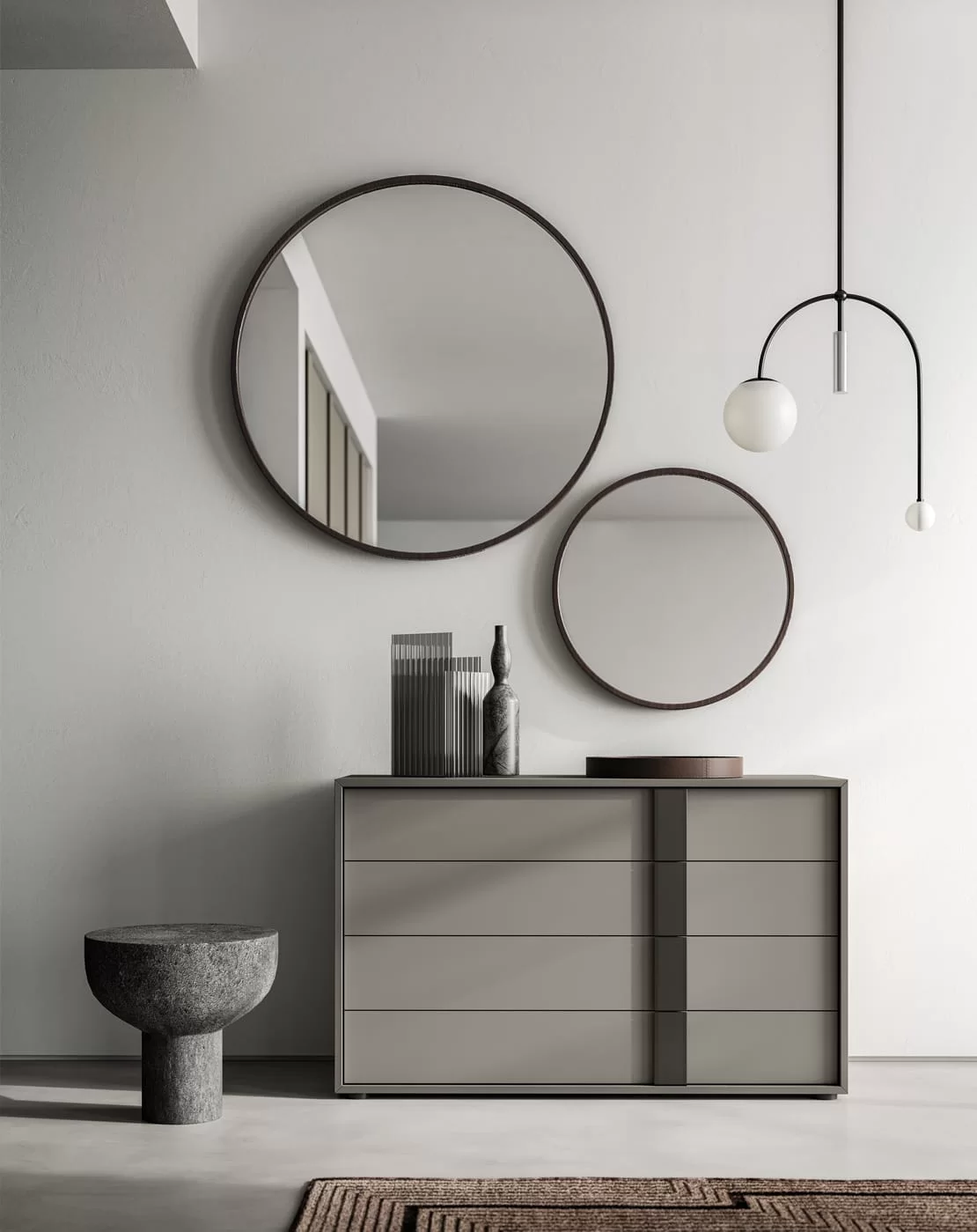
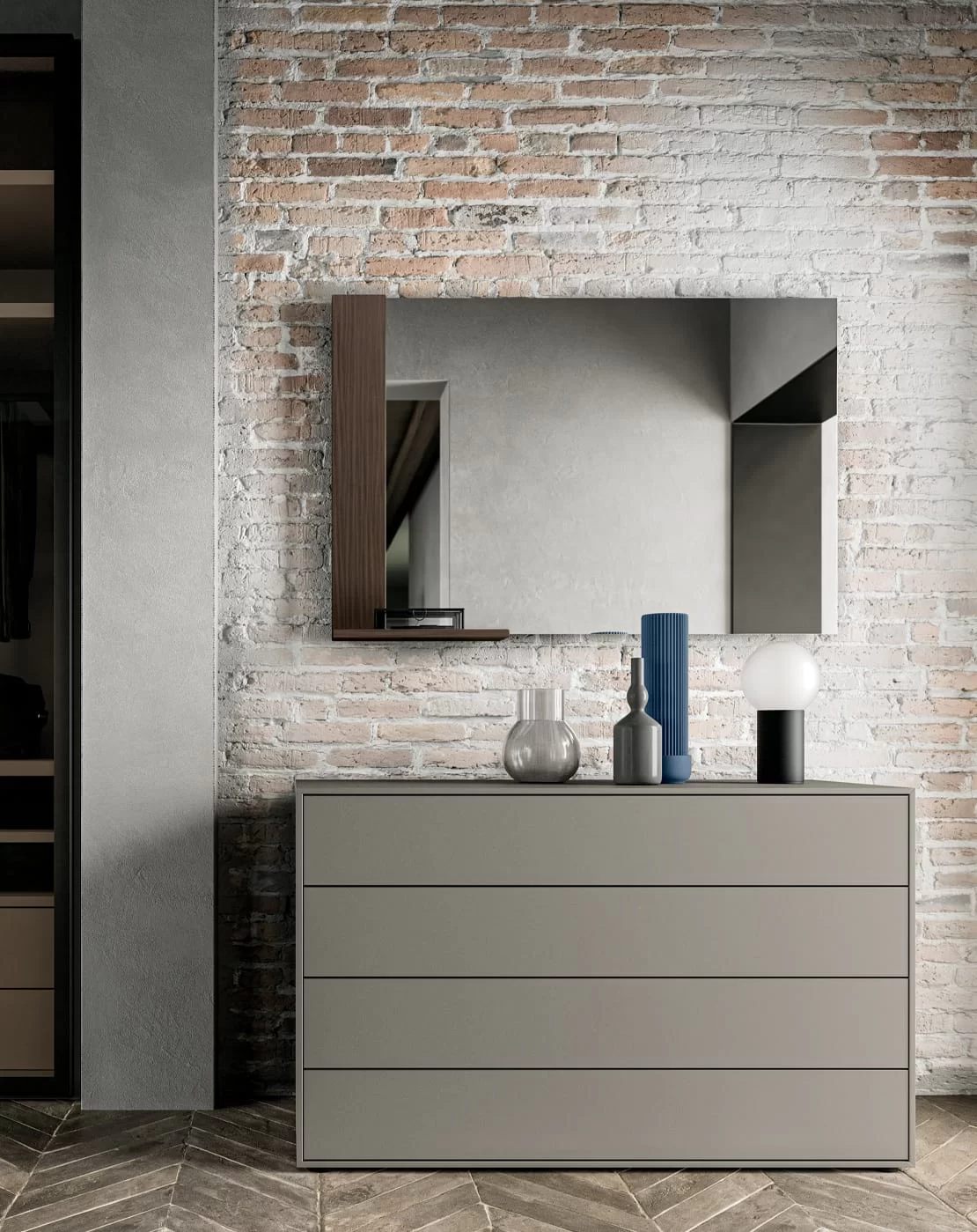
Horizontal rectangular mirrors can be used to enhance and replicate the forms of the furniture underneath, while vertical rectangular mirrors reprise and reinforce the vertical lines already present in the room in the form of wardrobes, bookcases or wall panels.
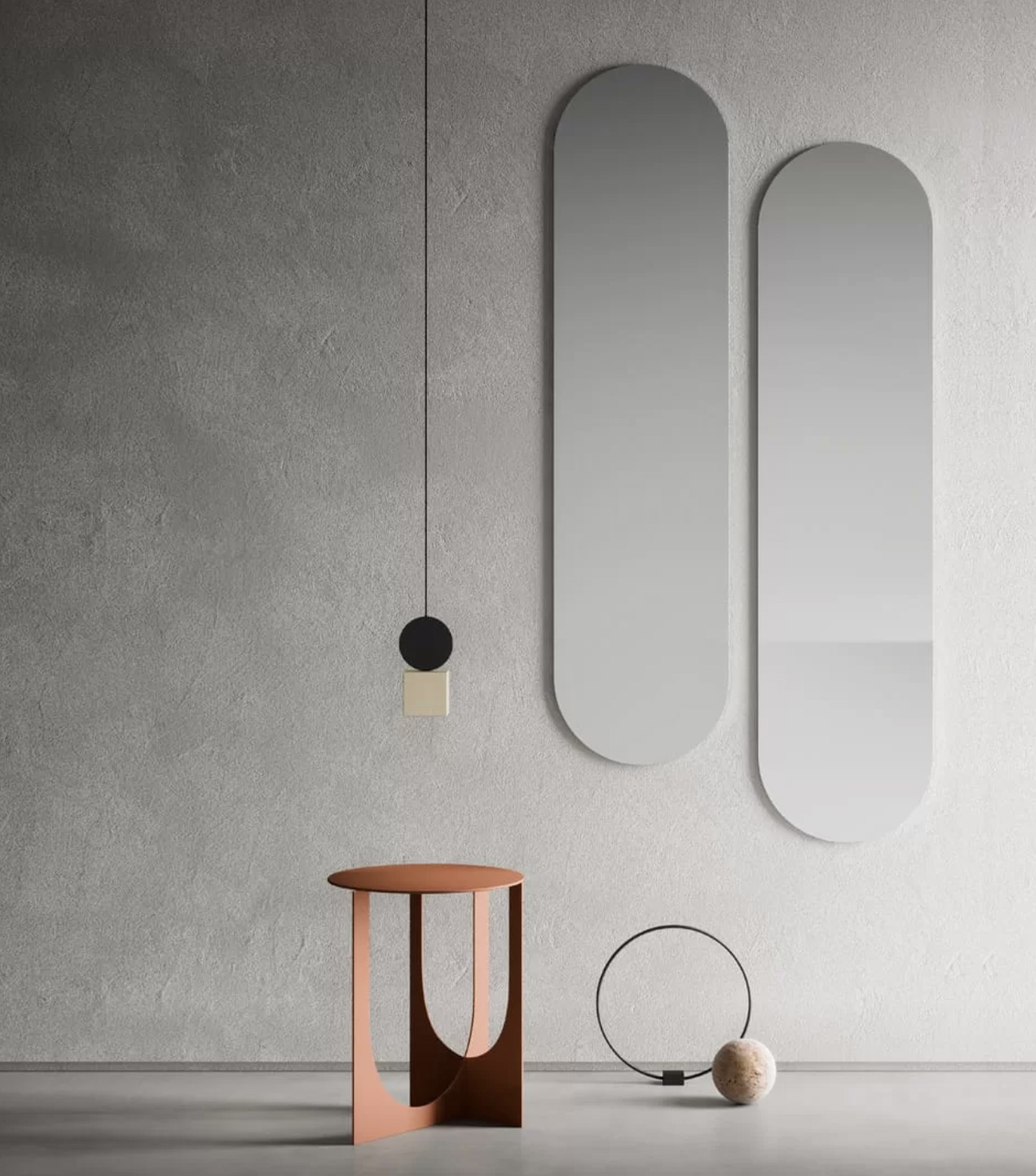
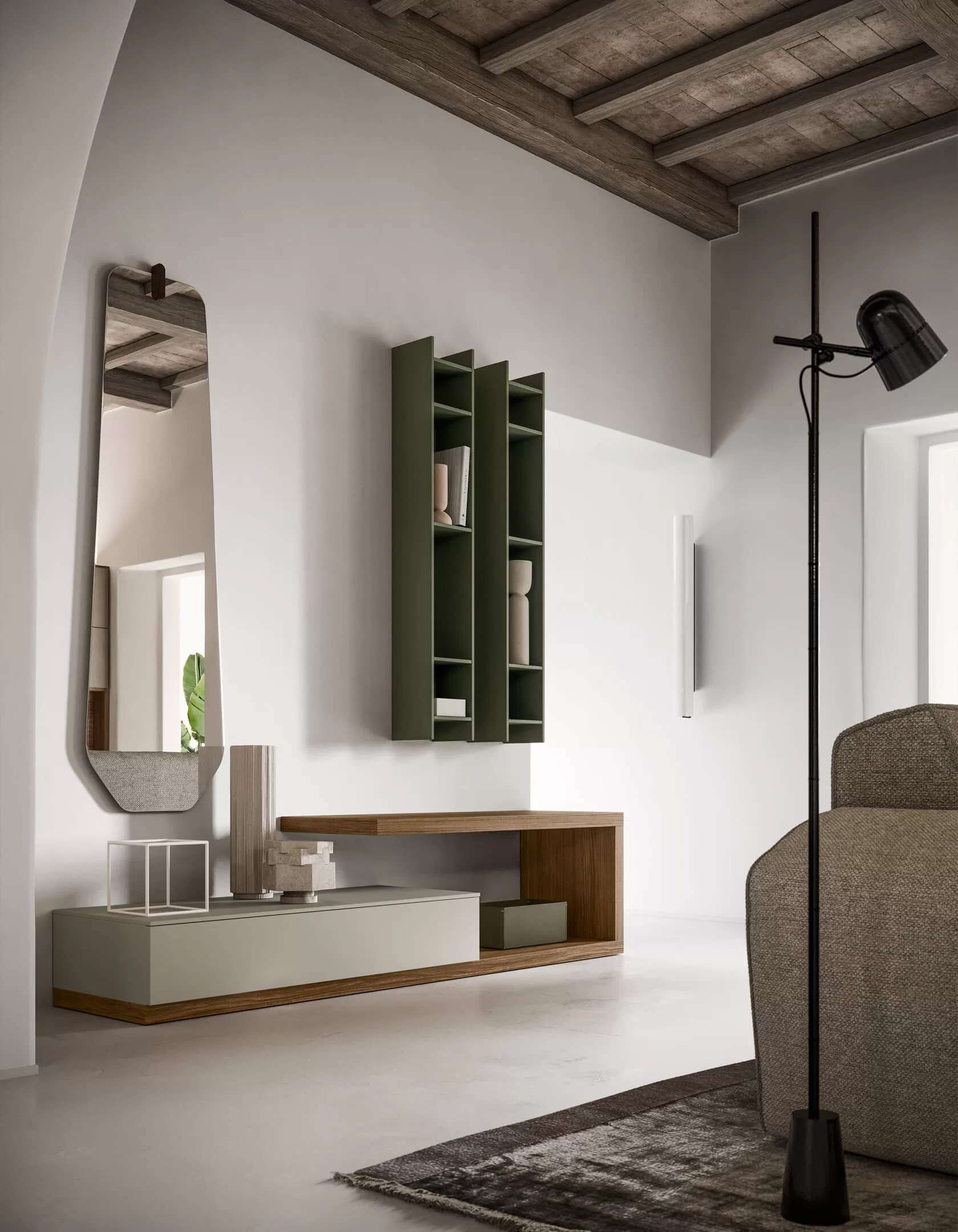
With their elongated shapes, oval mirrors visually streamline the wall and can also be used without furniture underneath. Hung on an empty wall, they become independent items capable of defining the space without the need for any other supporting elements.
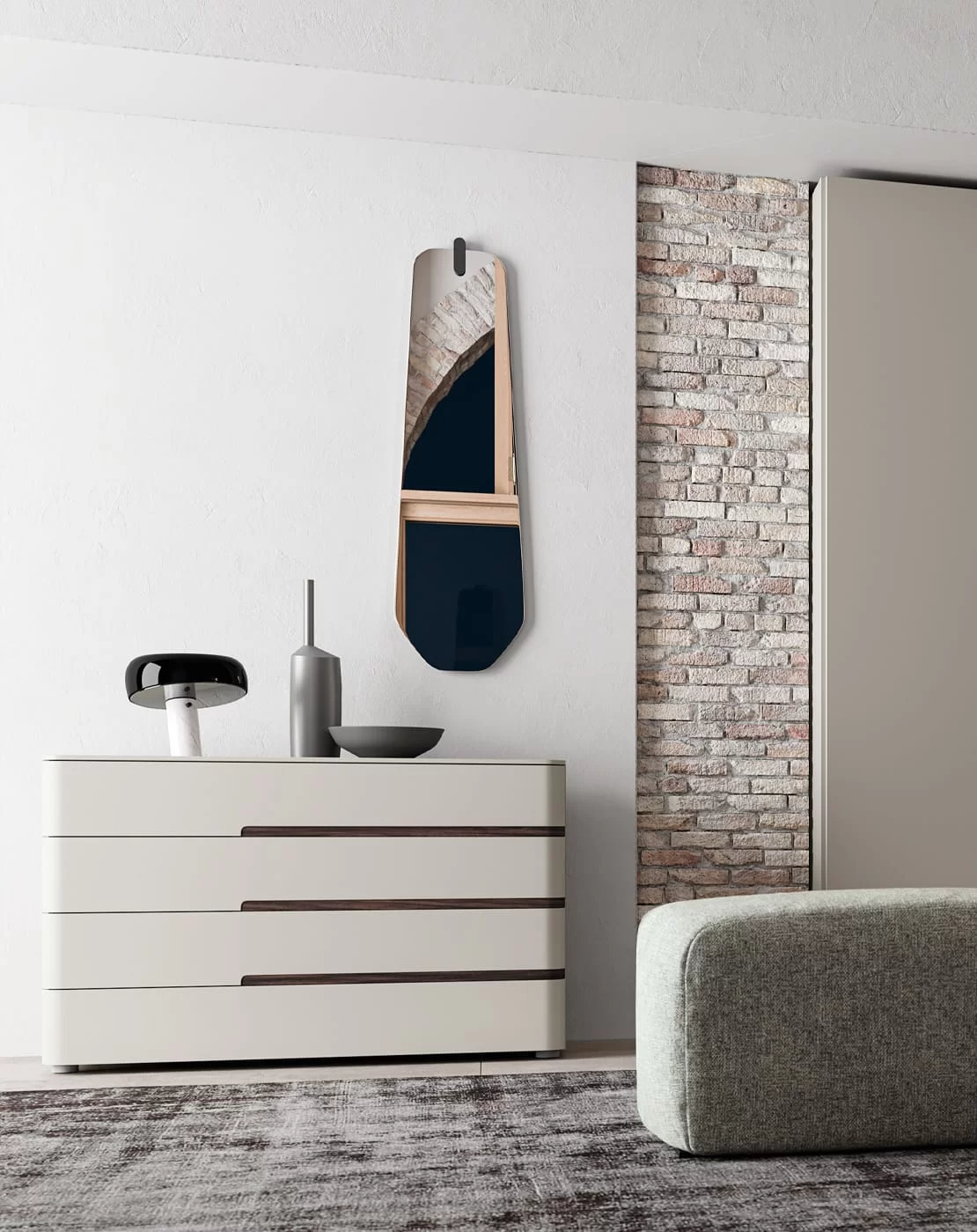
Asymmetrical mirrors are an original option: irregular shapes are particularly at home in modern or creative spaces where interior design is as much about expression as it is about functionality.
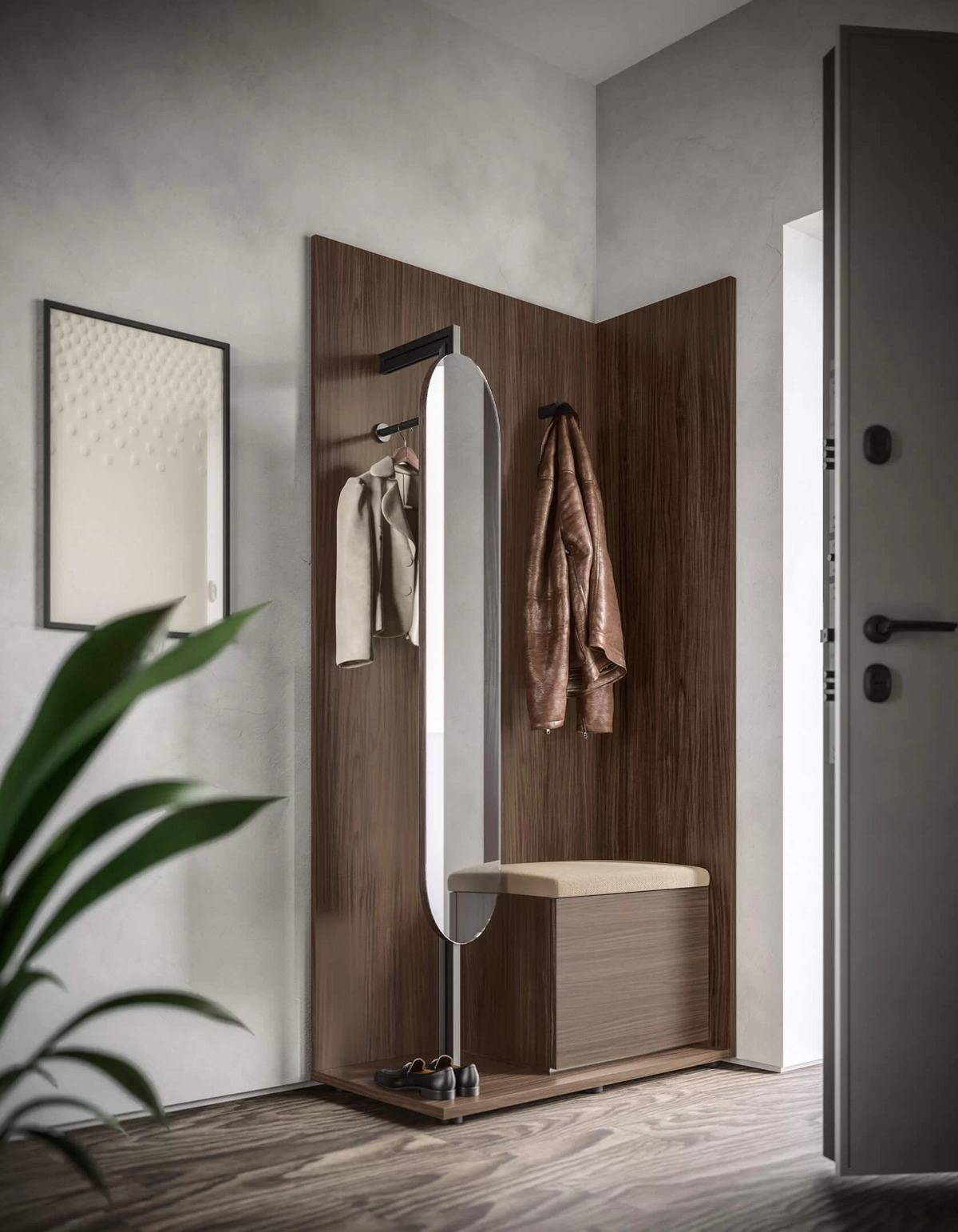
Meanwhile, full-length mirrors are perfect for emphasising the verticality of the room. Wall-mounted or floor-standing, they are particularly suitable for entrances, bedrooms, walk-in wardrobes or passageways, where they also have an everyday function.
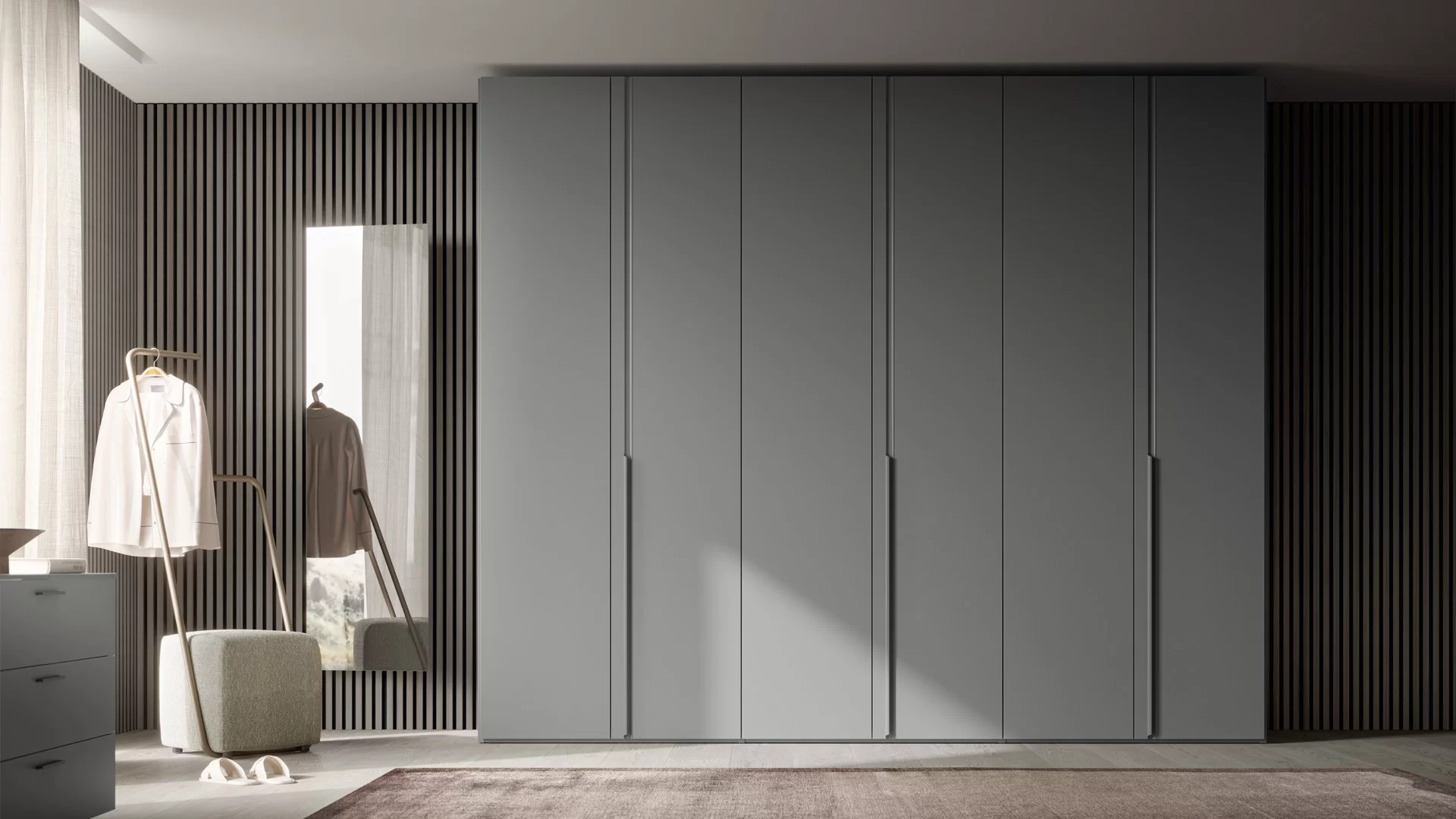
In addition to the shape, the frame also has a key role to play in defining the style. Wooden frames add a warm and textured element that blends seamlessly into both traditional and Nordic-inspired interiors. Metal frames, and particularly those with dark finishes, easily adapt to both contemporary and industrial spaces. Frameless mirrors, meanwhile, work by subtraction and are therefore perfect for creating a minimalist aesthetic.
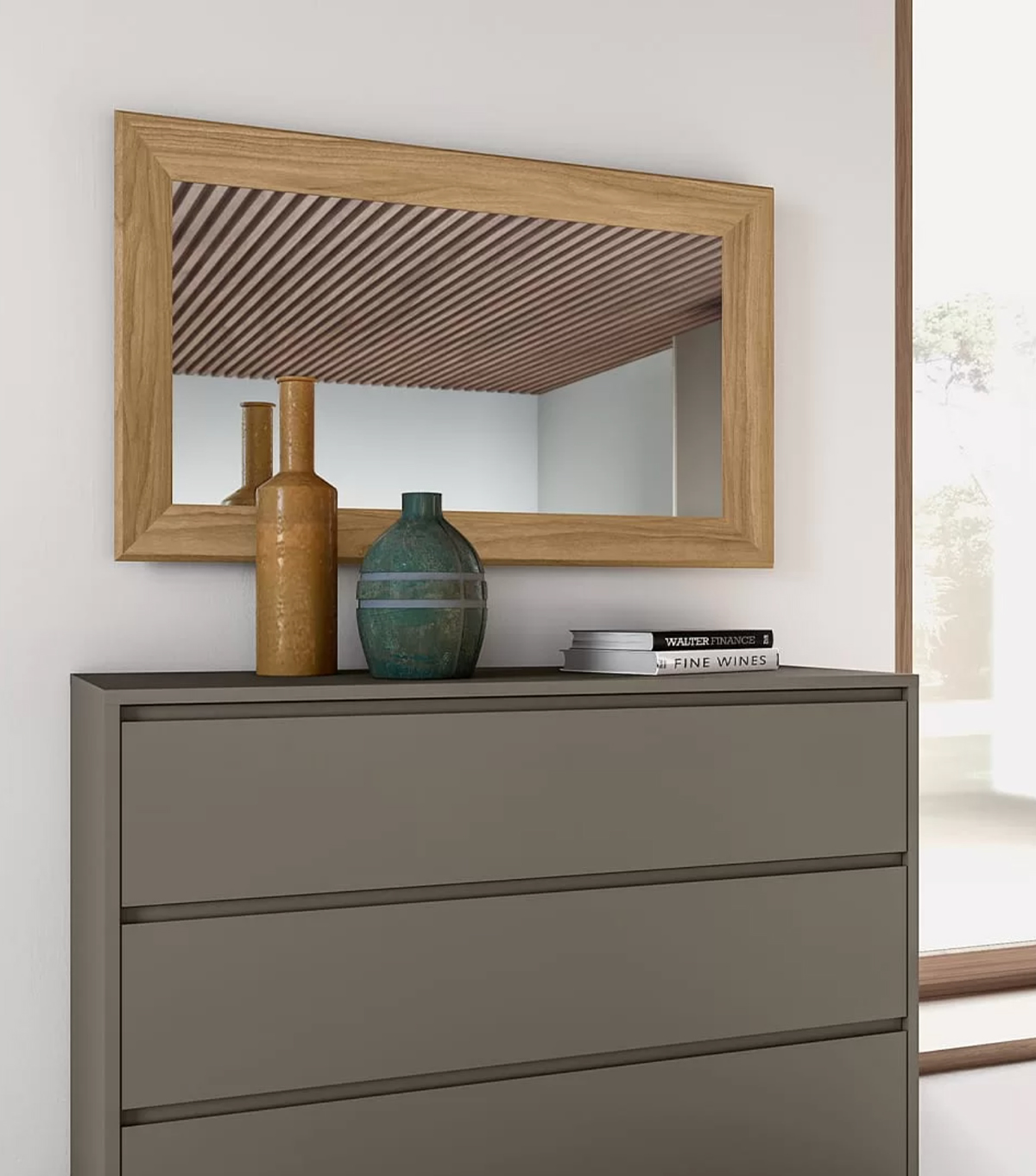
Another solution is mirrors with in-built LED lighting. In this case, the light isn’t an external element but part of the furniture itself: it defines and enhances the shape of the mirror, it helps create atmosphere in the room and it guarantees a functional light for everyday activities, especially when the mirror is located in vanity, work or study spaces.
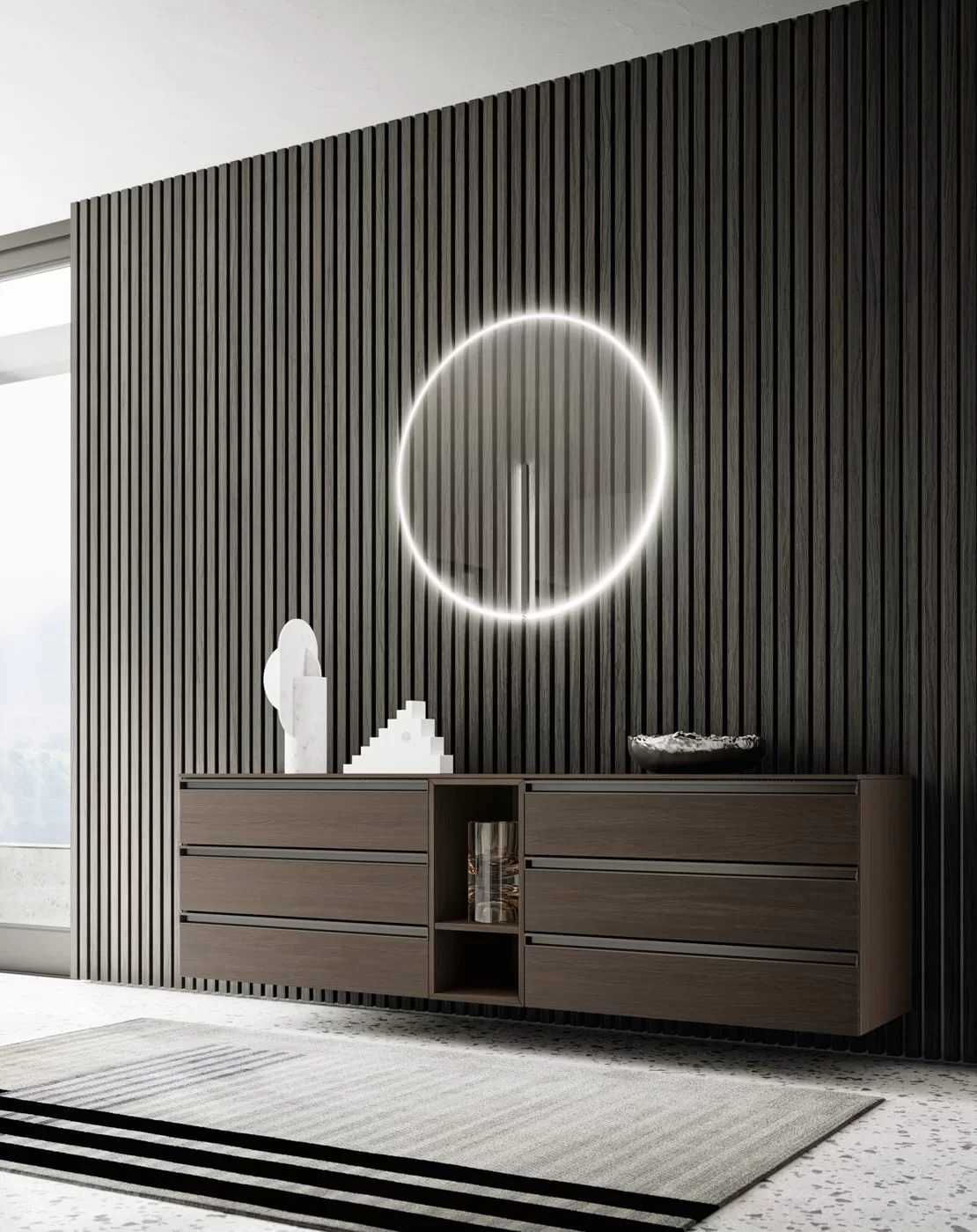
How to furnish the living space with mirrors
In the living room, mirrors shouldn’t just be regarded as simple accessories for filling empty walls but as genuine compositional elements capable of changing the perception of the space and dialoguing with other items of furniture.
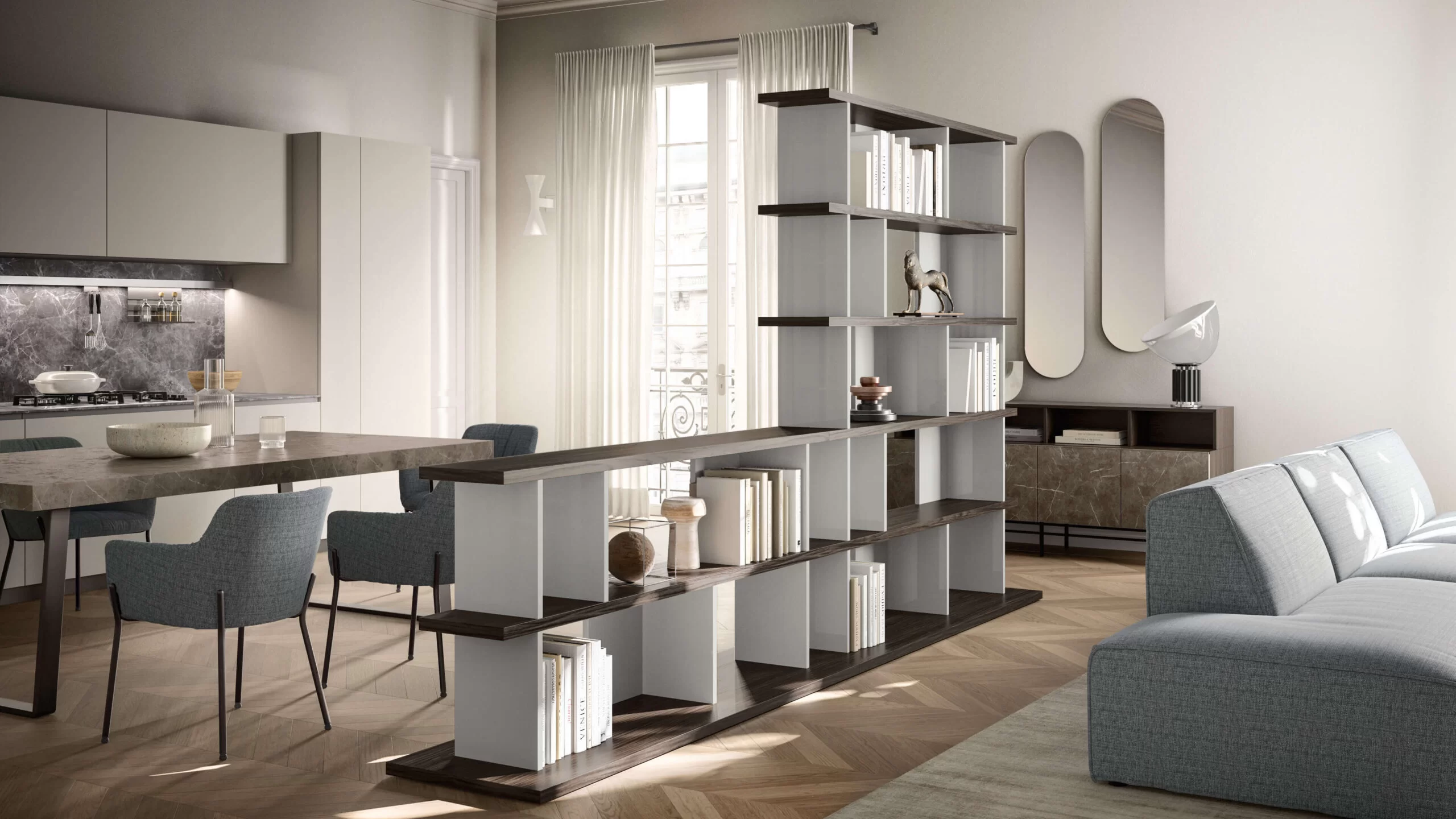
Placed over a sofa or sideboard, a mirror adds depth to the wall, often replacing or placed alongside a picture. In the open space apartment in the photo, the Freja mirrors are hung at different heights above the sideboard and together form a connecting element between the kitchen and the living room.
Mirrors are also particularly interesting when they form part of compositions. In the photo below, for example, the Chimera mirror with wooden frame is used to complete a home office corner: in this case, it makes the space appear bigger, reflecting the natural light of the window to create the optical illusion of an opening, as if the space continued on the other side of the wall.
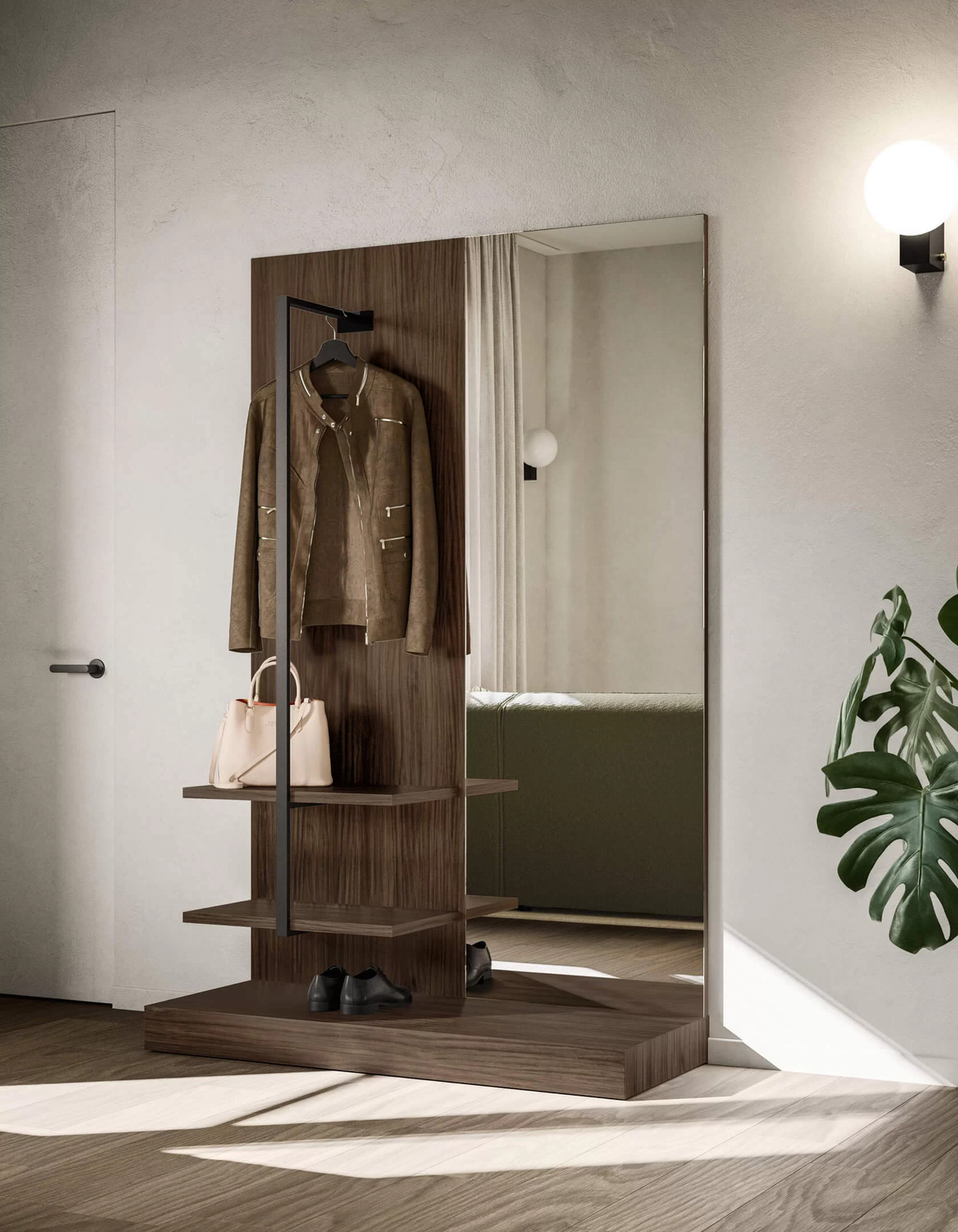
In the entrance, meanwhile, the mirror can become part of a more structured system in which it is integrated with clothes rails, but also storage elements and platforms for the functional organisation of the wall. These space-saving solutions are also suitable for making small areas brighter and tidier.
Finally, corridors and hallways are the perfect settings for exploiting the full potential of mirrors. In long and narrow spaces, placing one or more elements on the wall adds rhythm to the passageway, breaking up its linearity. In this case, you can choose decorative options like the Afrodite mirror, which helps turn the corridor into one of the most distinctive areas of the home.
Mirrors in the bedroom: style and functionality for your sleeping quarters
In the bedroom, the mirror has a key everyday role to play in your personal care and preparation routine.
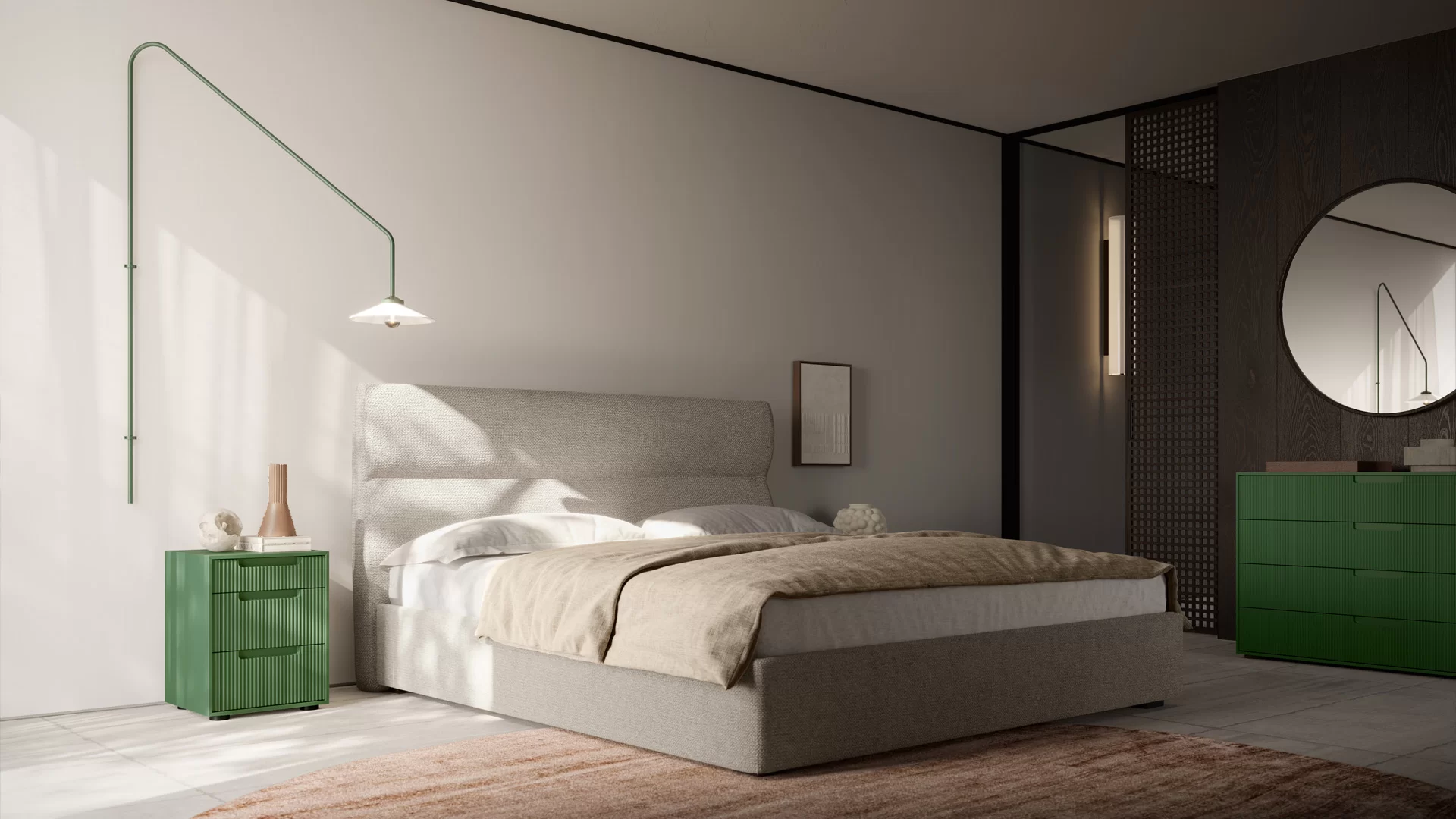
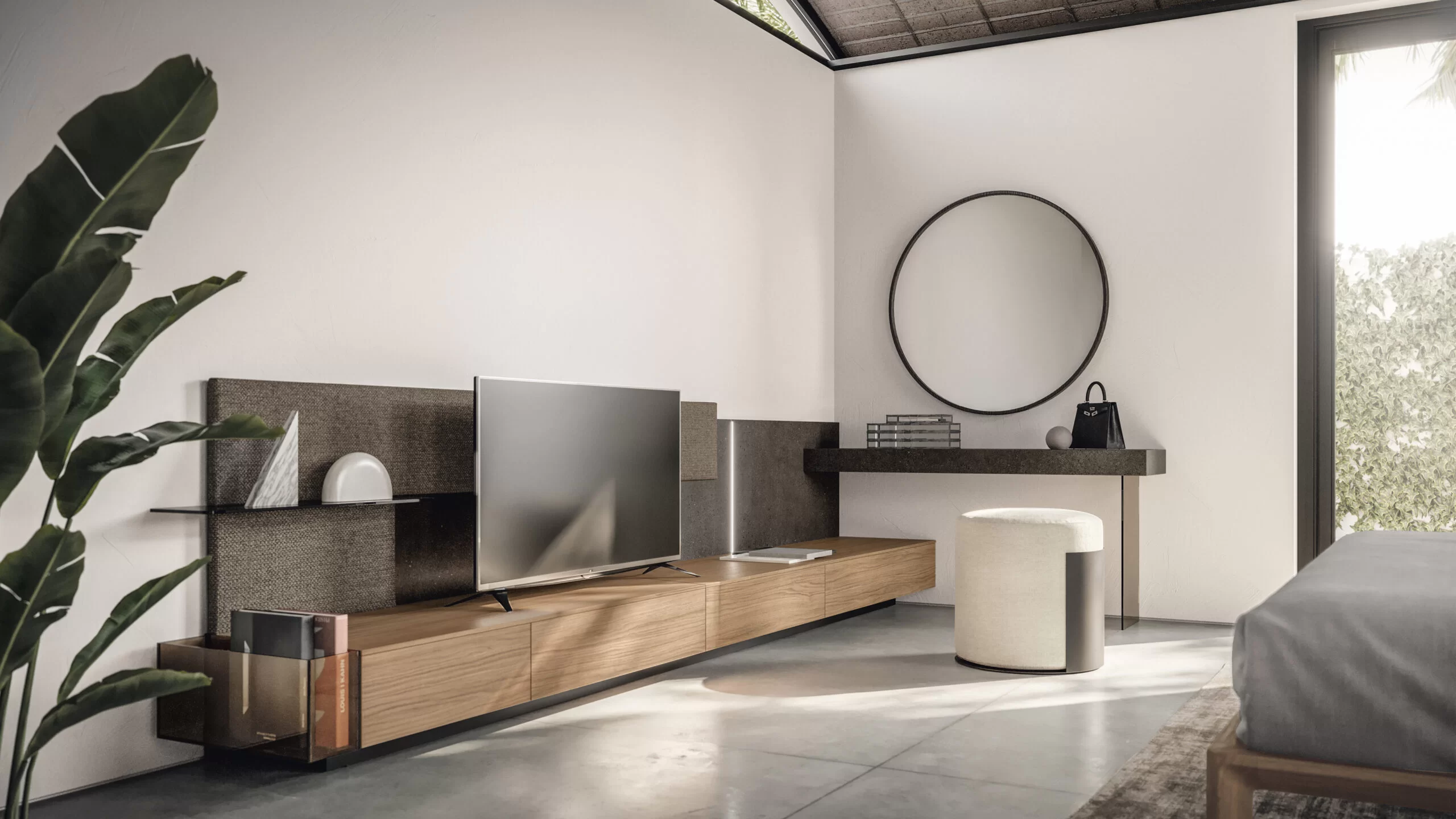
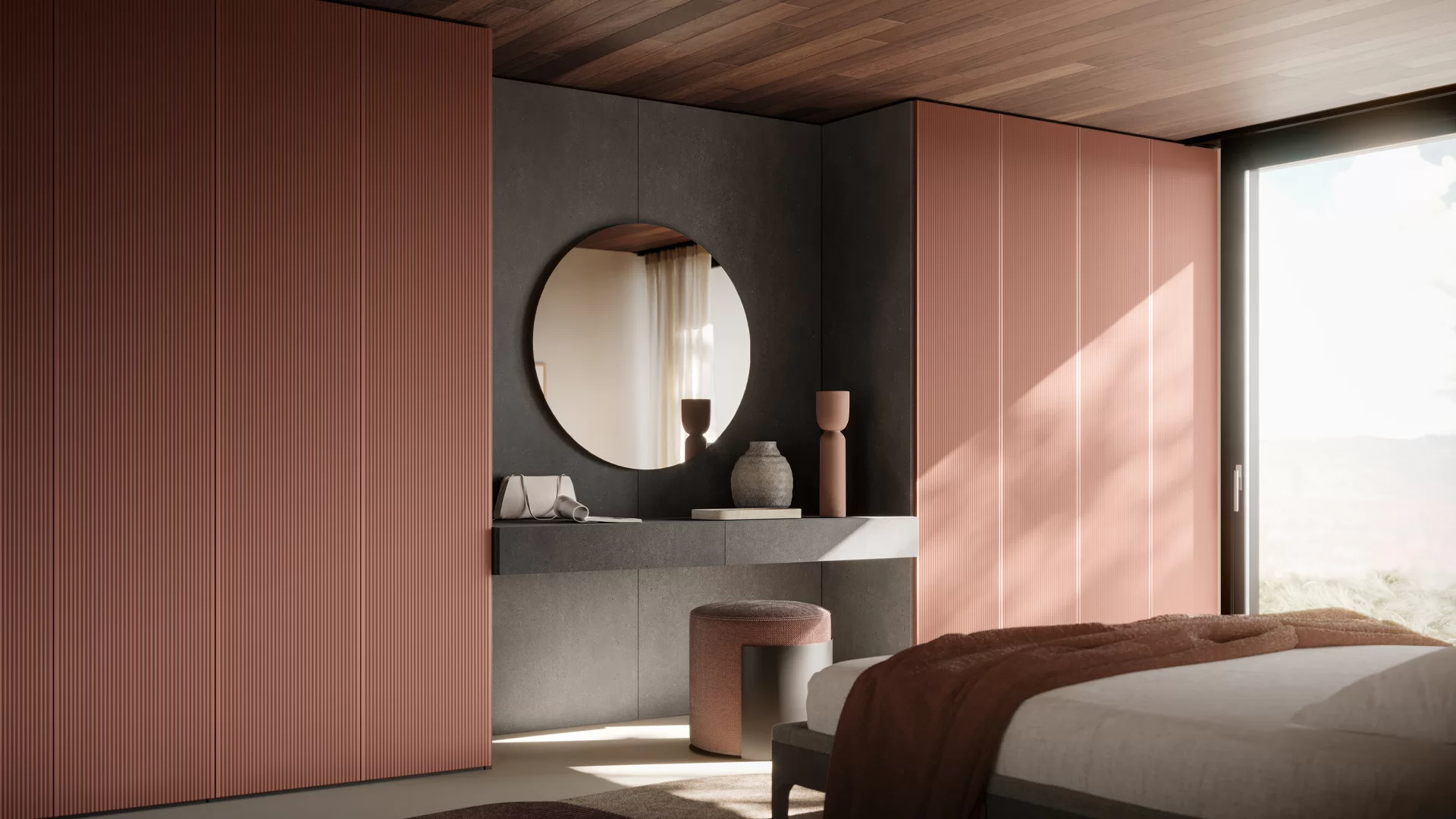
One of its most common locations is above the dresser: the round Chimera mirror can be used on its own, hung slightly off-centre compared to the chest of drawers to create a less static composition, or in pairs, playing around with different dimensions to produce a dynamic effect.
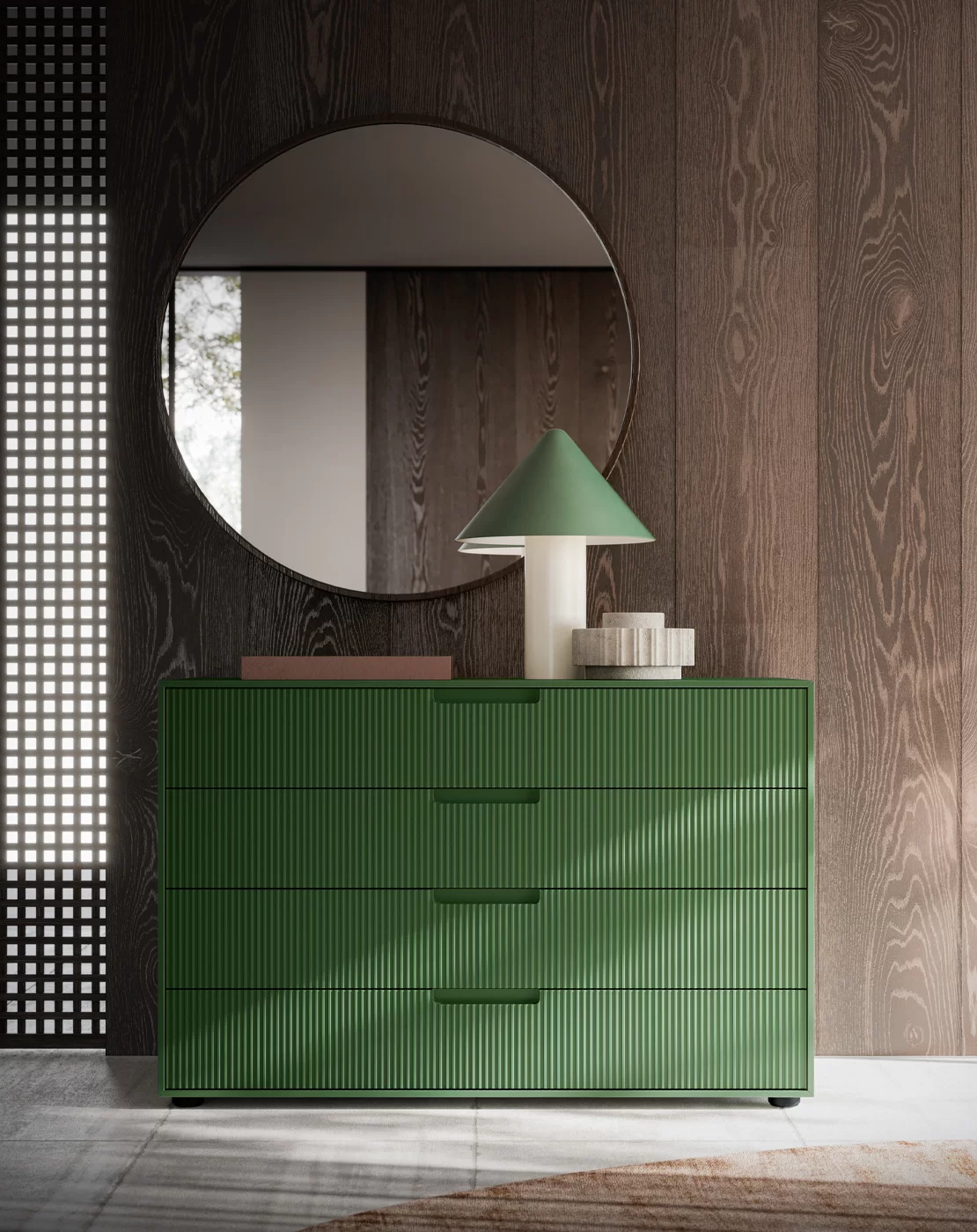
The Medusa mirror with in-built shelf introduces a more impactful detail: as well as enhancing the wall, it adds a useful storage surface.
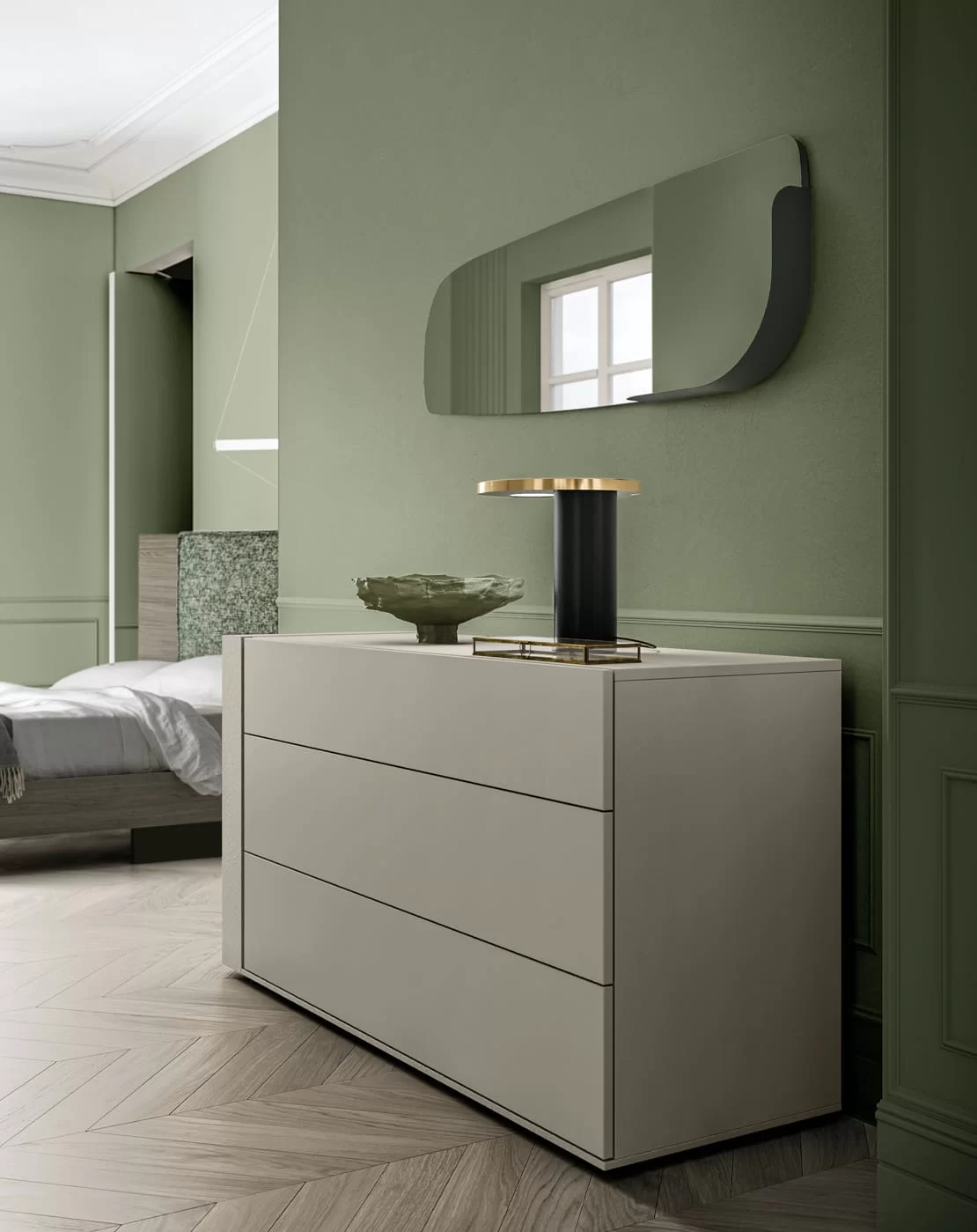
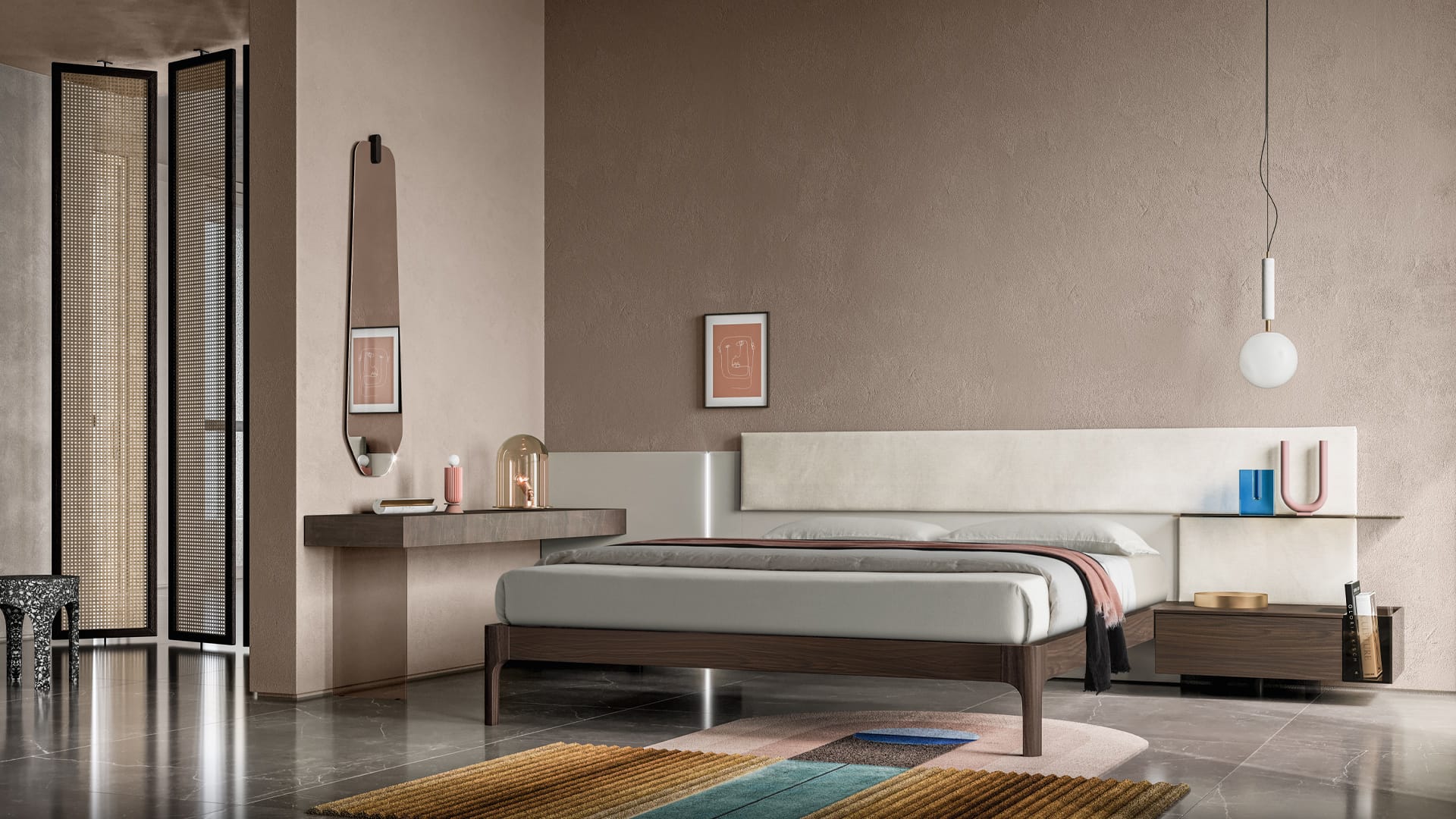
And why not above the bedside cabinet?! The long and original form of the Afrodite mirror adds a vertical accent to this low item of furniture, embellishing the wall without being overbearing.
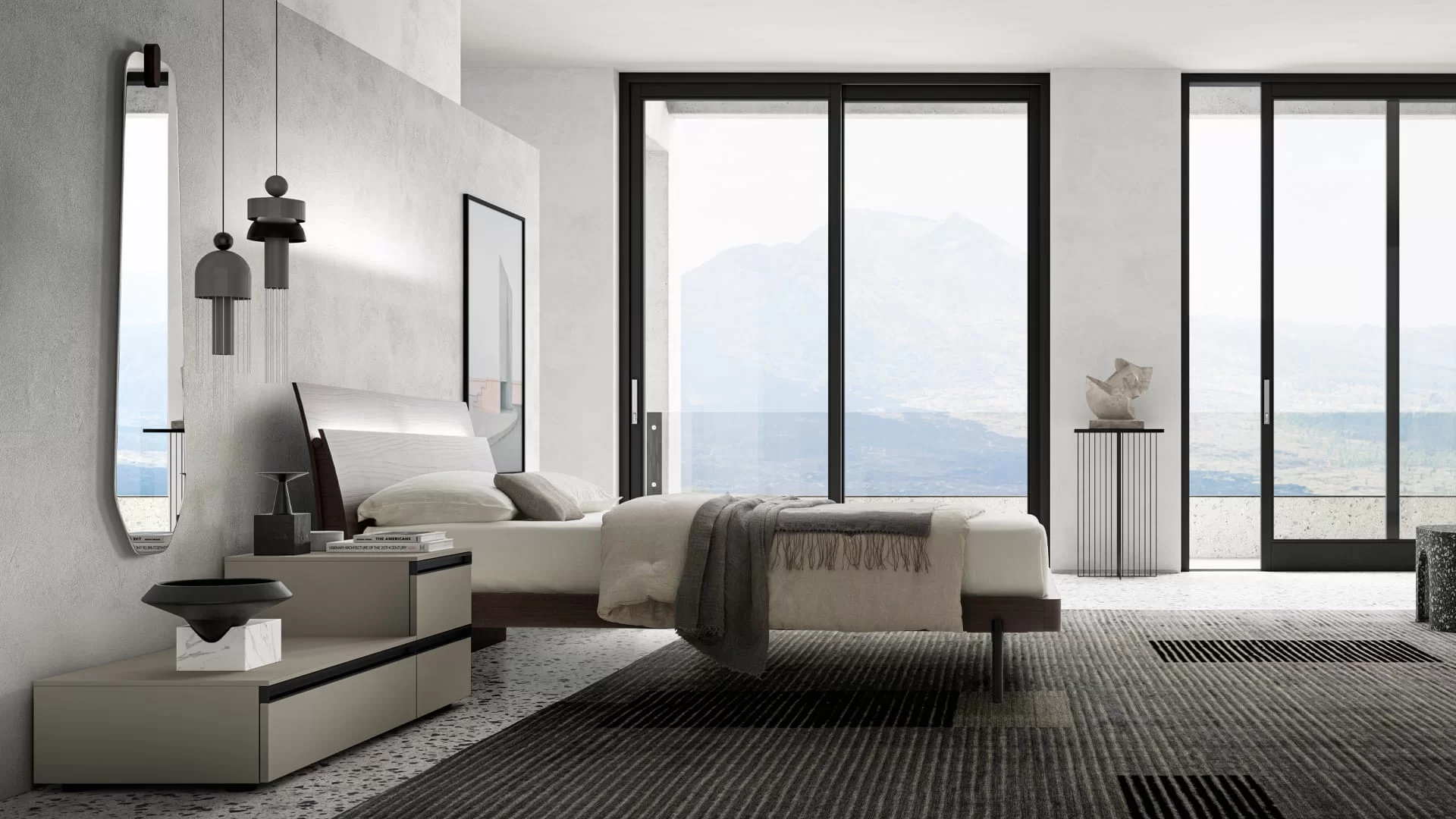
Mirrors can also be used to construct functional spaces in the bedroom: the Afrodite mirror can be placed above a surface top to create a vanity station, for example, while the polished edge Gea mirror can complete a niche that doubles up as both a dressing table and work/study corner.
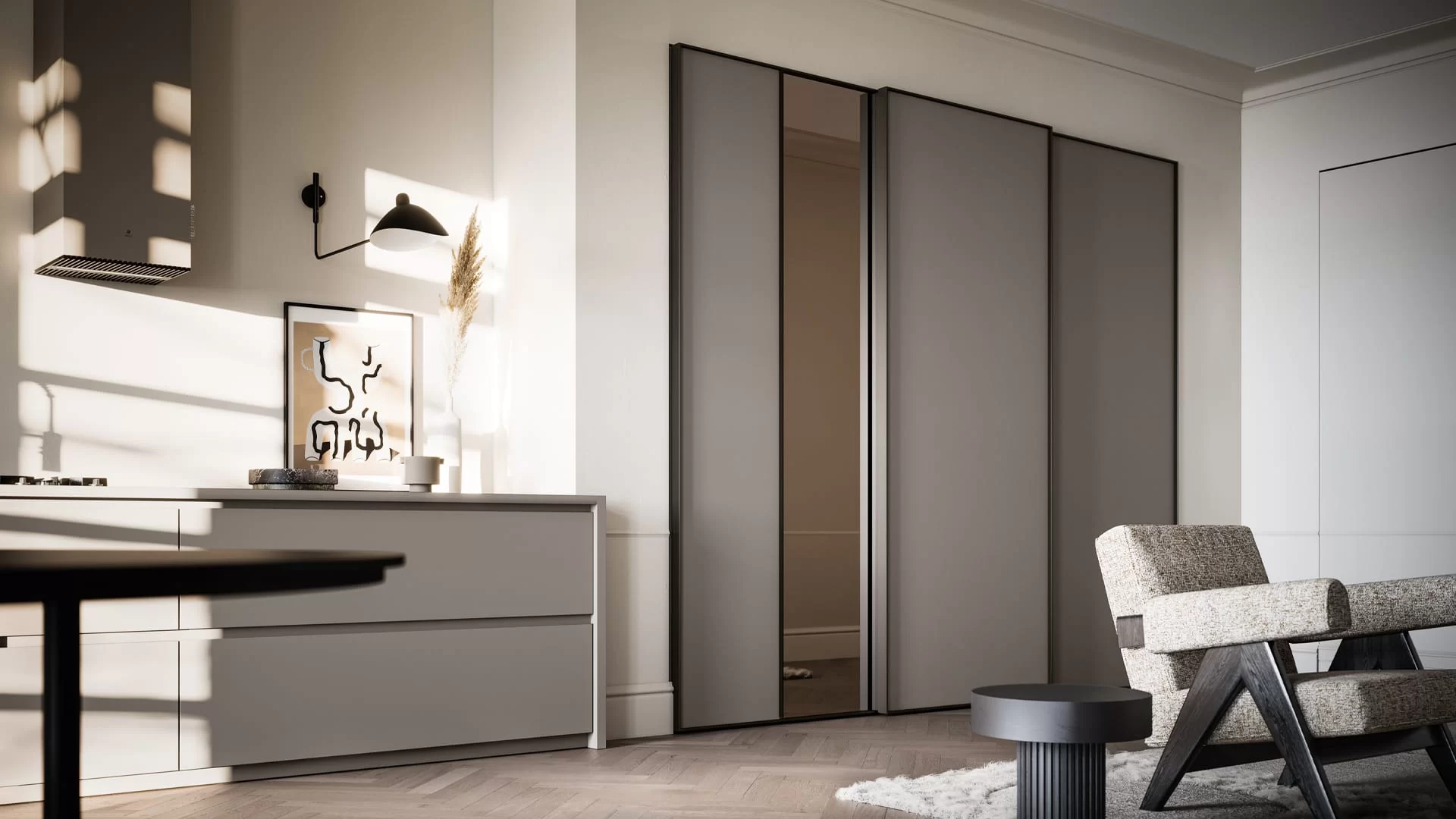
Another particularly effective solution, especially in smaller bedrooms and cloakroom spaces, is a wardrobe with mirrored sliding doors. In this case the mirror is completely built into the furniture and performs a dual function: on the one hand, it means you don’t have to occupy other wall spaces in the room with mirrors; on the other, it makes the room seem bigger, reflecting the light.
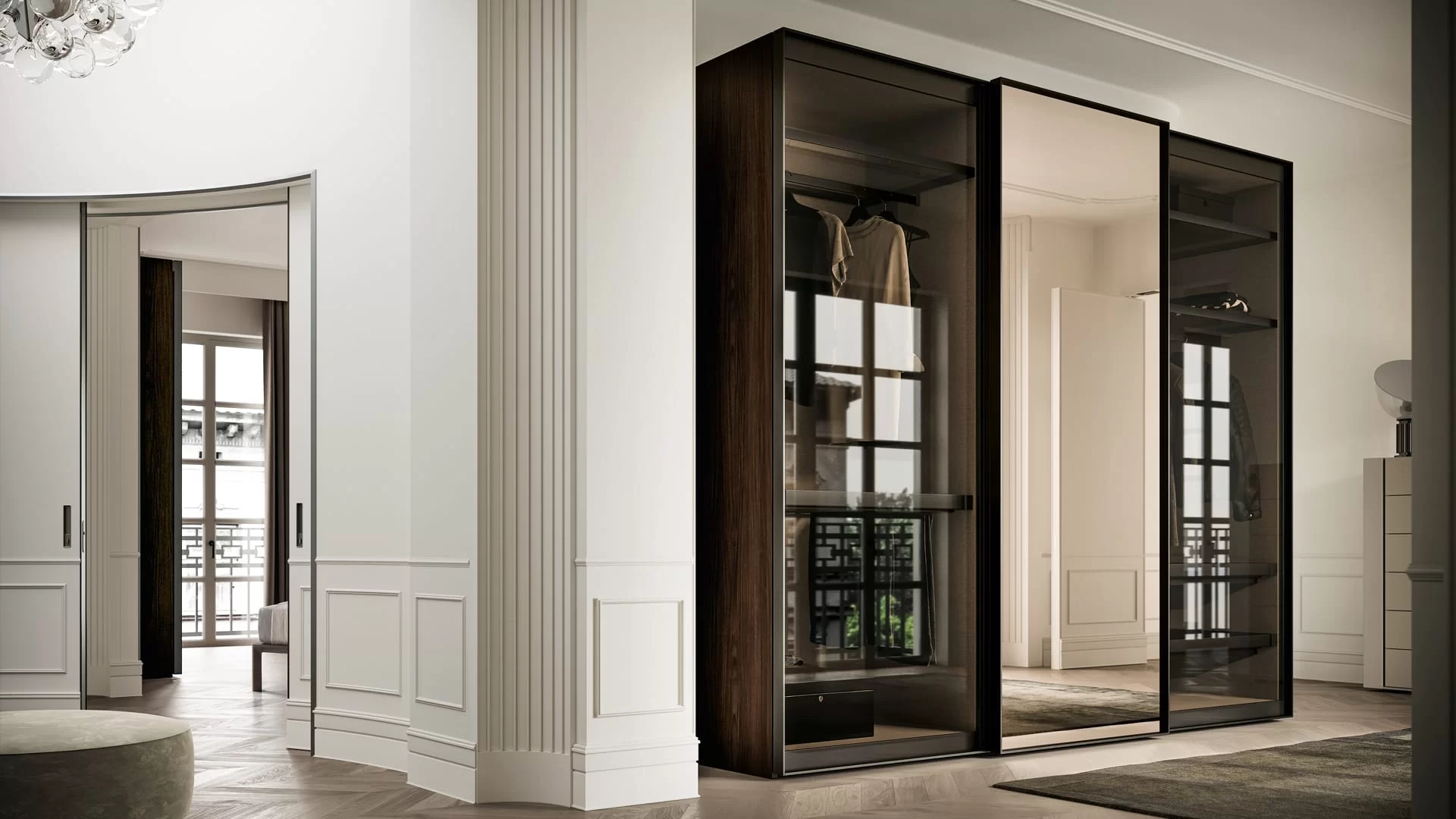
In more contemporary configurations, like the Urban wardrobe, the in-built mirror is part of a modular system that can be designed to size and customised according to your everyday needs.
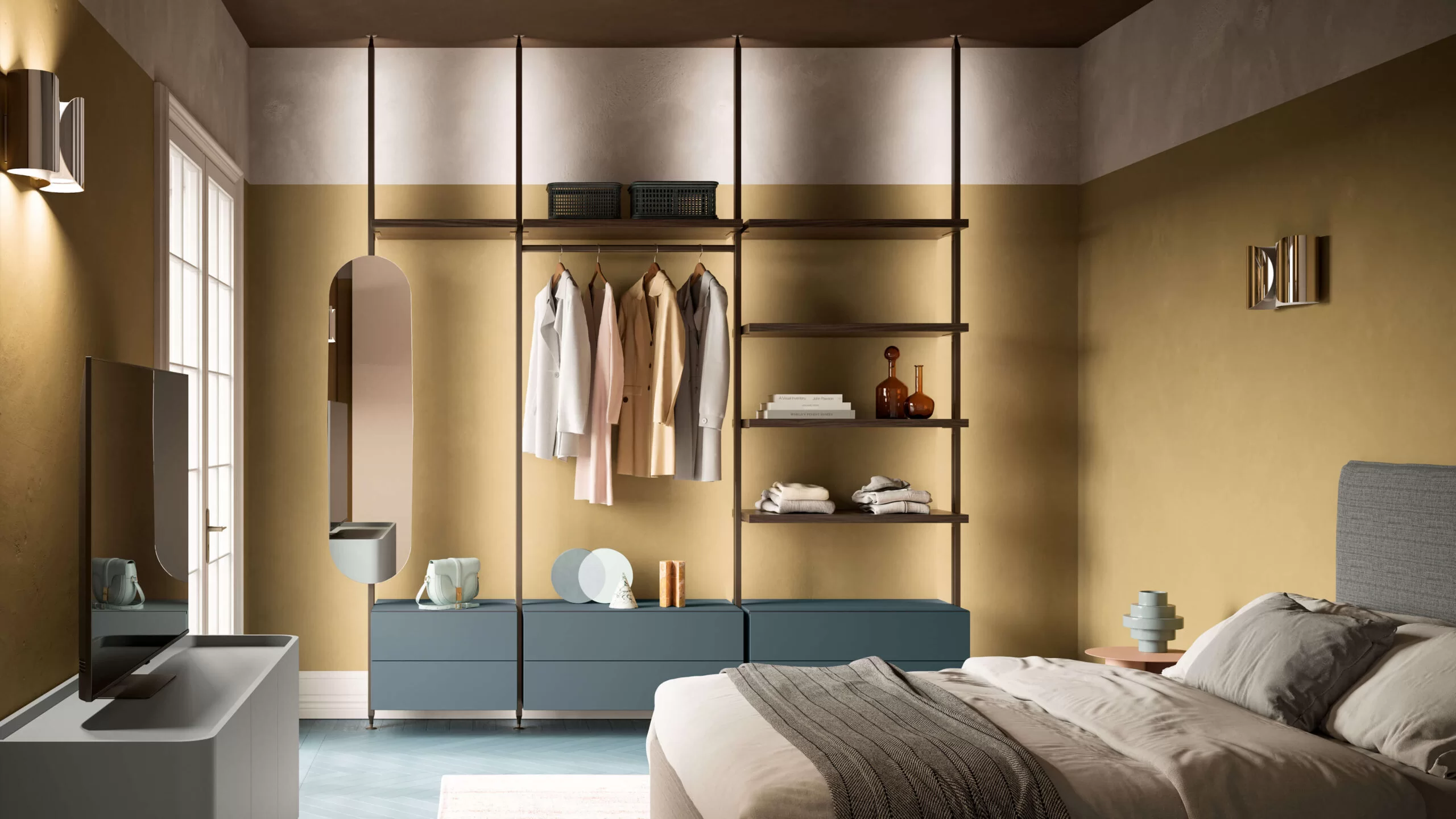
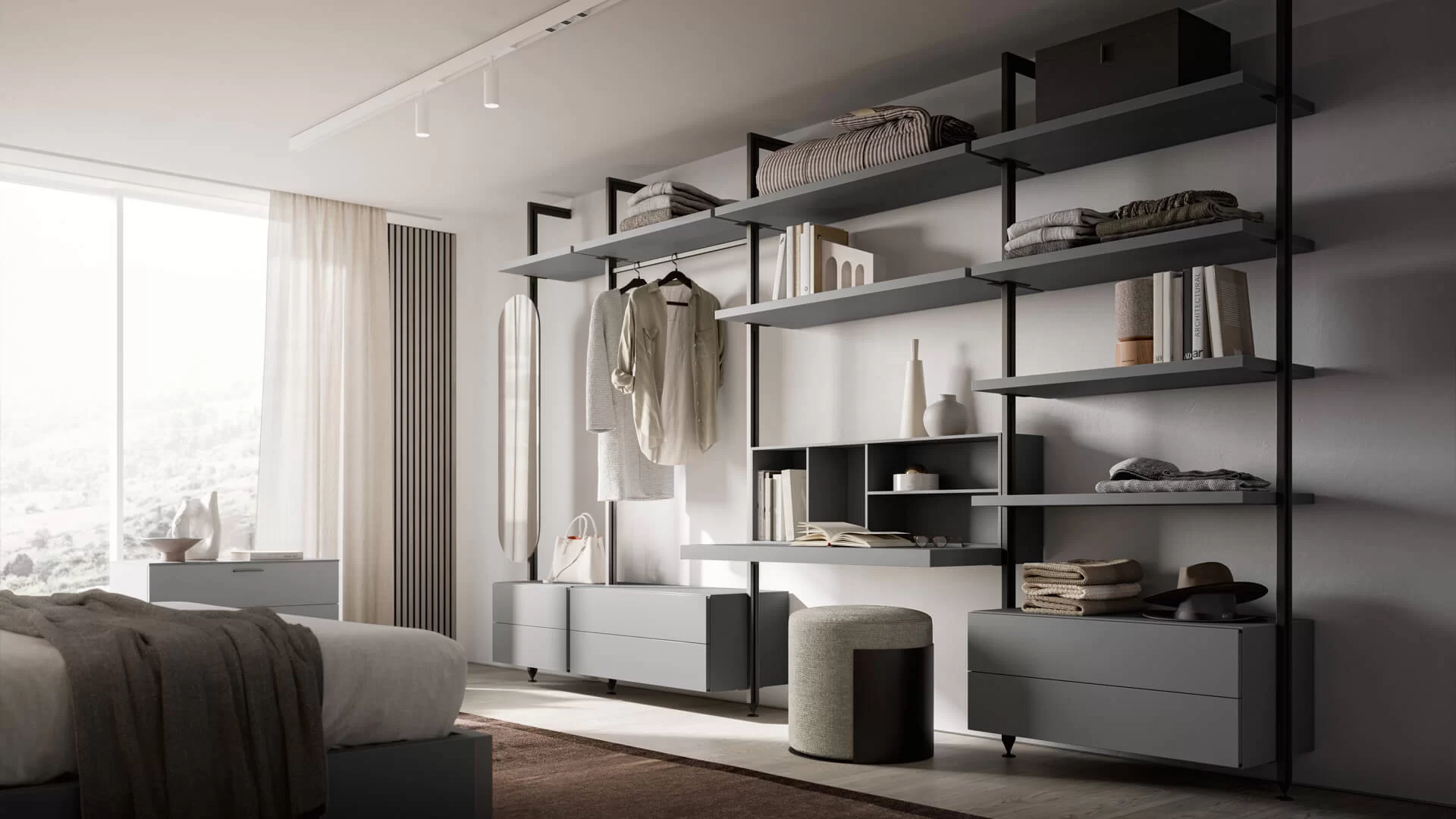
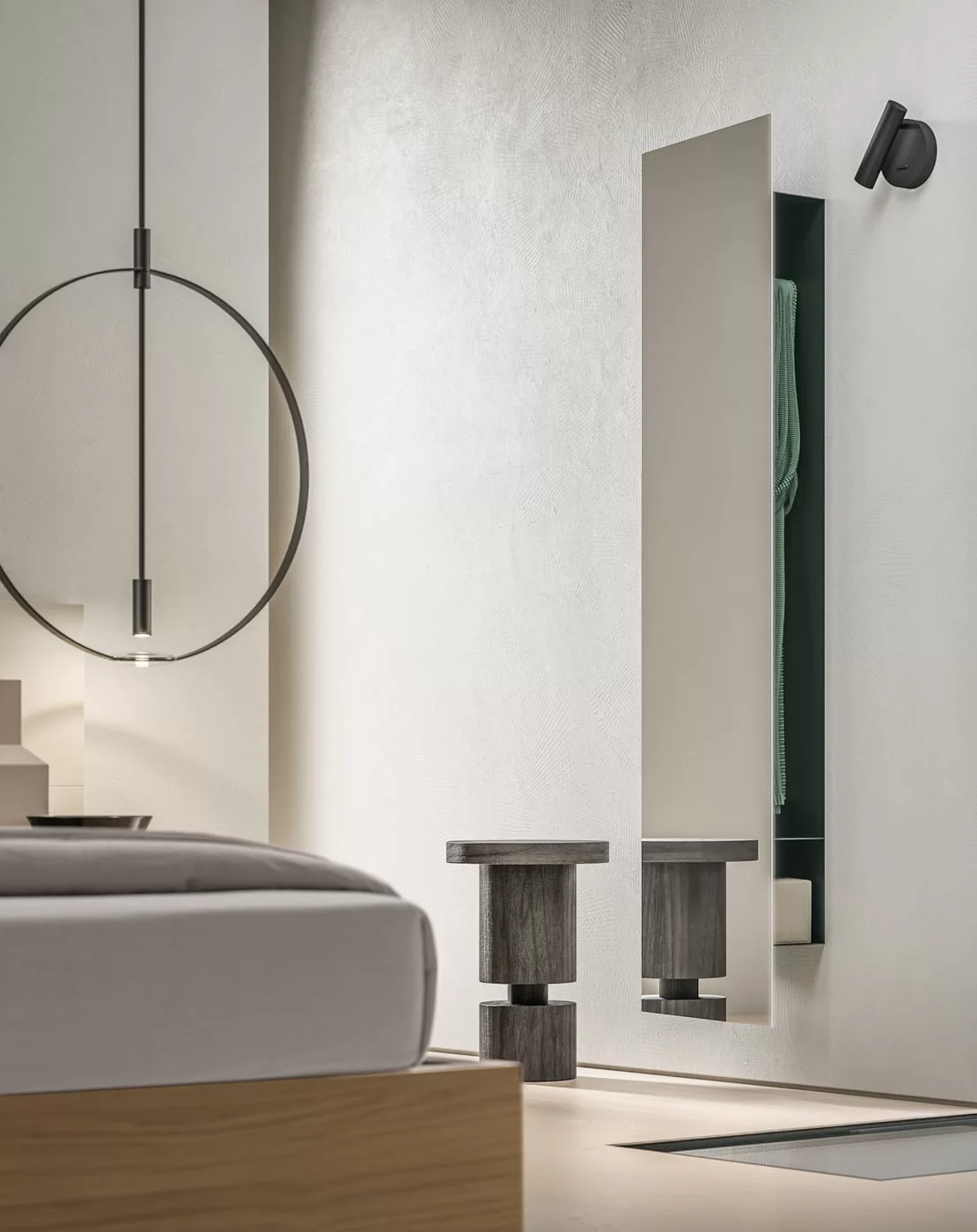
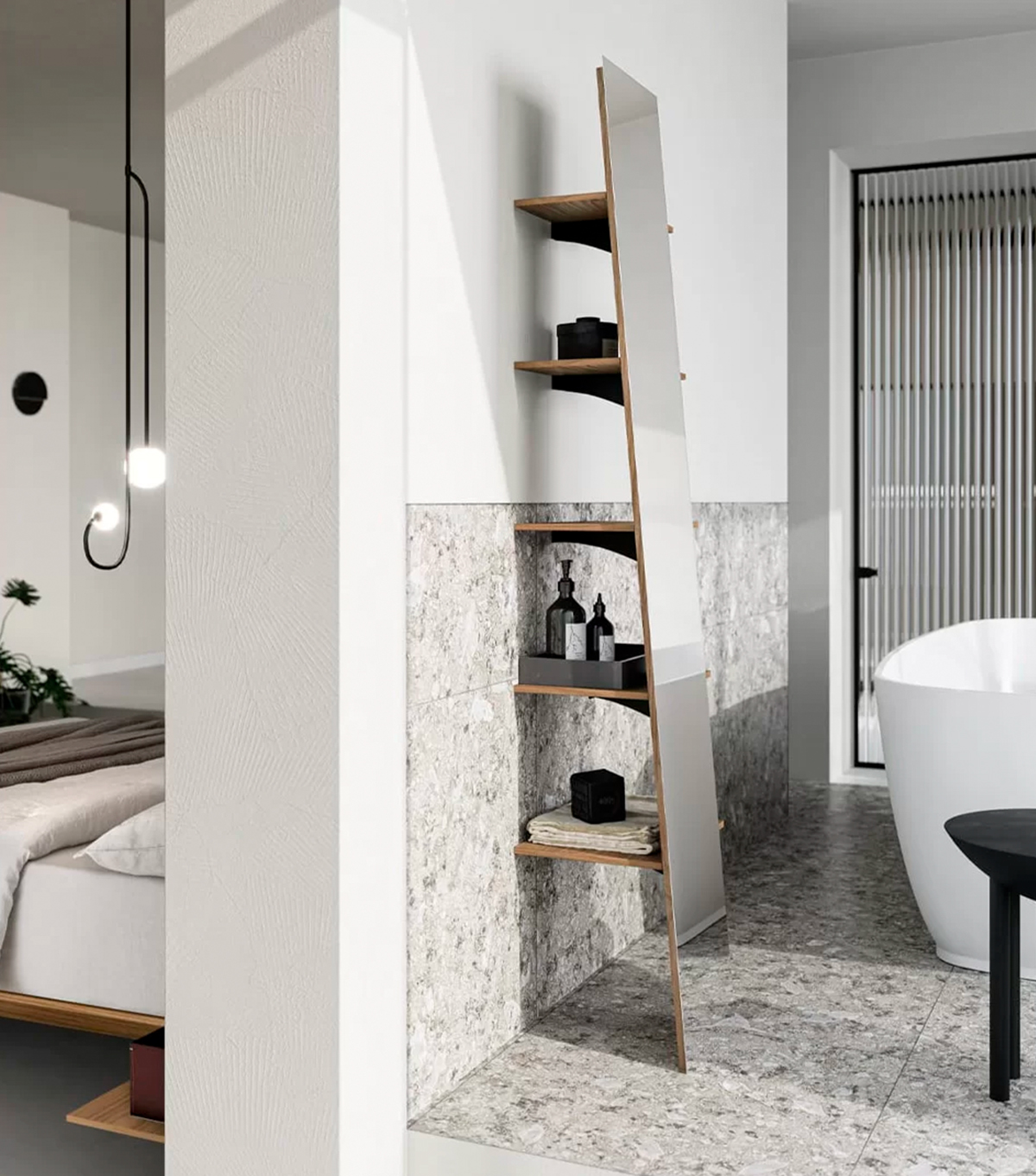
Finally, multifunctional mirrors are an interesting space-saving solution. The back of the Atena mirror, for example, hides a compartment with clothes rails: a design detail that allows you to combine aesthetics and storage, particularly useful in compact bedrooms or spaces where it is necessary to maximise every last centimetre. Meanwhile, the back of the Diana mirror is fitted with shelves, enabling it to be used in other rooms of the house, like the bathroom.
The most common errors to avoid
Despite their versatility, mirrors must be used carefully to avoid creating jarring effects.
One common mistake is placing a mirror opposite a blank or uninteresting wall. This way, you miss the opportunity to elevate a piece of furniture or a significant part of the room.
Another aspect to consider is the overabundance of reflections. Filling a room with too many mirrors can be disorientating and have a visually chaotic effect.
Also pay attention to the lighting. If a mirror directly reflects a very strong light source, like a spotlight or an LED pointed towards it, it can create irritating reflections. For this reason, it’s important to carefully consider its position relative to the lights in the room.
Reflections of style that give the home character
When carefully chosen and positioned, mirrors become much more than just straightforward reflective surfaces: they contribute to defining the style of the home, making it brighter and highlighting the surrounding furnishings.
They can enrich the living room, help organise the entrance, or add character to corridors and hallways; in the bedroom, they contribute functionality, integrating with wardrobes and other everyday items of furniture.
Explore the Santalucia Mobili solutions dedicated to the living room, the bedroom and accessories: in our catalogues, you’re sure to find the mirror that best reflects your style!